Call for nominations: 2020 Young Physician-Scientist Awards

The ASCI is pleased to call for nominations for the ASCI’s 2020 Young Physician-Scientist Awards. This is an excellent opportunity for a young faculty member to be recognized at the 2020 Joint Meeting.

We seek nominations from ASCI members of outstanding physician-scientists who have recently received their first faculty appointment (preferably in the last 5 years).

Nominees must be funded by a current NIH K or equivalent career-development award (in or outside the United States). However, we welcome nominations of NIH intramural physician-scientists on the basis of their appointment only. See nomination form for detail.

Those selected for this Awards program will:

  • receive a $500 travel award to attend the 2020 Joint Meeting, April 3-5, at the Fairmont Chicago
  • present their work at the ASCI’s Food & Science Evening, Saturday, April 4

Up to 40 Awards will be given for 2020. The following materials are required for nominations, which must be submitted by nominating members through their accounts on or before the extended deadline, December 3, 2019, at 11:59 pm, U.S. Eastern:

  • Nomination form: download form
    Note: For the requested abstract, it should not be submitted separately to the Joint Meeting for consideration; it should only be submitted for consideration as part of the nomination.
  • NIH-style biosketch

Call for nominations, 2020 Seldin~Smith Award

The ASCI is pleased to call for nominations for the 2020 Donald Seldin~Holly Smith Award for Pioneering Research. The Award seeks to recognize and connect the next generation of physician-scientist leaders with the legacies of two of the ASCI’s most esteemed members, Drs. Donald W. Seldin and Lloyd H. “Holly” Smith Jr.

For the Award, the ASCI seeks nominations of outstanding physician-scientists who have demonstrated exceptional creativity and accomplishments in biomedical research. The ideal nominee:

  • is an early-stage, clinically active physician-scientist addressing fundamental questions that relate to human health and disease, and
  • shows great promise in biomedicine.

The recipient of the Seldin~Smith Award will receive an unrestricted grant of $30,000 to advance academic efforts. S/he will be recognized at the 2020 AAP/ASCI/APSA Joint Meeting, deliver a research talk at the 2021 Joint Meeting, and receive mentoring from the members of the Seldin~Smith Award Selection Committee and Advisory Committee.

Eligibility

  • MD (or the equivalent) or MD/PhD;
  • The candidate must be more than 2 years but not more than 6 years from first faculty (or the equivalent) appointment at the time of acceptance in April 2020;
  • The candidate spends substantial time in research while providing direct patient care.

This competition is not restricted to any geographic location.

Application

Physician-scientists should apply directly by sending nominations by email attachments to staff@the-asci.org.

  • Completed nomination form, including:
    • a summary of the nominee’s research (not to exceed 100 words)
    • a description of the nominee’s most significant achievement (not to exceed 500 words).
    • a list of the nominee’s three most significant publications and a short statement describing the significance of each publication (not to exceed 100 words each).
    • Nominee’s agreement, if chosen as the recipient, to attend the 2020 AAP/ASCI/APSA Joint Meeting (April 3-5) and the 2021 AAP/ASCI/APSA Joint Meeting (April 9-11).
  • PDFs of the nominee’s three most significant publications as listed in the nomination form.
  • Nominee’s curriculum vitae (PDF). Include only educational background, major awards, and peer-reviewed publications (do not include abstracts, grants, or meeting presentations).
  • No more than two letters of support (as PDFs), one from the nominee’s primary mentor, the other ideally from an individual who is a recognized expert on the subject of the nominee’s research.

Notable dates and selection process

  • Nomination deadline: November 20, 2019.
  • Recipient will be notified by early 2020.
  • Recipient will be recognized at the 2020 AAP/ASCI/APSA Joint Meeting, April 3-5.
  • Recipient will deliver a research talk at the 2021 AAP/ASCI/APSA Joint Meeting, April 9-11.

The Seldin~Smith Award Selection Committee reviews nominations and selects finalists for further consideration by the Seldin~Smith Award Advisory Committee.

About the ASCI

Founded in 1908, the ASCI is home to physician-scientist leaders in academic medicine and industry across the world. The ASCI seeks to support the scientific efforts, educational needs, and clinical aspirations of physician-scientists to improve human health. The Society, based in the United States, is a nonprofit 501(c)(3) organization.

Call for Council nominations, 2020

The Society seeks nominations for the following ASCI Council vacancies arising in 2020 (all terms begin and end in the spring):

  • Vice President (4-year term, 2020-2024),
  • Secretary-Treasurer Elect (3-year term, 2020-2023; first year is Councilor position, transitioning to Secretary-Treasurer for years 2 and 3), and
  • 2 Councilor positions (3-year term, 2020-2023).

All Council members are expected to support the activities of and attend the ASCI annual meeting, and to participate in the general governance of the Society, including two in-person meetings (fall and spring, coordinate with the annual meeting) and conference calls (typically every other month). All Council members participate in the review of membership nominations.

The Vice President transitions to President-Elect in year 2 and President in year 3. For the 2nd through 4th years of this position, this member is expected to participate significantly in matters related to the Joint Meeting. In the Presidential year (year 3), the member convenes a face-to-face Council meeting and oversees related review processes for nominations, notably including those to membership. The President works closely with the Association of American Physicians to create the annual meeting program, and the member presents the traditional Presidential Address at the meeting. In year 4, the President transitions to Immediate Past President, serving as an advisor to the current President and with full Council responsibilities and privileges.

The Council is supported by an Executive Director, Managing Director, and other staff members who oversee the day-to-day operations of the Society and effect initiatives as directed by the Council. For details on Officers and Councilors, see the ASCI Bylaws.

Members who will be 55 or younger in 2023 are eligible for nomination. The Society encourages members to consider diversity in identifying those suitable for nomination. Nominations may be submitted by any member and must be submitted through member accounts. Nominations must be submitted by September 24, 2019, at 11:59 PM EDT, and consist of a 250-word summary of the nominee, an indication for which vacancy (if any) the nominee should be considered, and an NIH-style brief biosketch (PDF only). (Note: Nominees should confirm that they are willing and able to serve on Council if selected; nominees may send a brief email to staff@the-asci.org by the deadline.) Self-nominations are not allowed.

Call for nominations, 2020 Stanley J. Korsmeyer Award

Nominations for the ASCI’s 2020 Stanley J. Korsmeyer Award are now open. The recognition, first called the ASCI Award, was renamed in 2006 in honor of Dr. Korsmeyer, the first recipient of the Award in 1998, who passed away in 2005. The Korsmeyer Award recognizes individuals for their advancement of knowledge in a specific field and mentoring of future generations of life science researchers. Information on all past honorees is available here.

Nominees for the Stanley J. Korsmeyer Award must be ASCI members who are 55 years of age or younger as of January 1, 2020. They shall have made significant contributions to biomedical science and shall have adhered to the principles of scientific excellence that the ASCI exemplifies. The nominee should have a record that reflects high standards of intellectual integrity, a deep and abiding respect for the community of biomedical scientists, and a strong commitment to mentoring the next generation of physician-scientists. Prior nominees may be re-nominated. However, current ASCI Council members and prior Award recipients may not be nominated.

Nominations consist of:

  • a summary of the nominee’s accomplishments (in plain text, not to exceed 250 words),
  • a brief NIH biosketch (as a PDF),
  • a full curriculum vitae, including all publications and invited lectures (as a PDF),
  • and a trainee table (preferred as a PDF).

Nominations must be submitted by ASCI members through their online accounts.

The deadline for nominations is September 24, 2019, at 11:59 PM Eastern.

Nominations for 2020 membership

Nominations for 2020 membership may be submitted through September 13, 2019. Proposers and supporters of nominations should review the Membership Nomination Guide carefully. Questions regarding nominations should be sent by email to staff@the-asci.org.

Note to submitters: The ASCI sends acknowledgment of submissions by email after they have been reviewed and found to be complete. Submitters can check the status of their submissions (nominations and support forms) online by accessing their member accounts.

Submitting nominations

To ensure proper tracking of nominations, all information and documents must be supplied online.

  • First, access your member account
  • After you have logged in to your account, select the “Nominations” tab, then search the nominee database. Links will appear in search results to guide you in the next steps.
  • Your nominee may already be in the ASCI database because the nominee was previously nominated or because a nomination or support form has been started for the nominee for this nomination cycle.

Proposers: Once you have supplied the requested information about your nominee (name, contact information, etc.), you will be able to upload required documents. You will also be able to add Seconder and General Supporter information to the nomination, although supporters will need to supply their comments via their own member accounts.

Seconder and General Supporters: Forms may be drafted and submitted online after selecting the applicable nominee from search results or after adding requested information about the nominee you are supporting. (NOTE: General Supporters who are not ASCI members may complete the nomination support template and email it to staff@the-asci.org for handling. Please indicate clearly your contact information and the name and institution of the nominee you are supporting.)

Further clarification

  • Age criterion for Active and Foreign Associate nominees. Nominees in these categories must be age 50 or younger as of January 1, 2020.
  • Exceptions to the age criterion cannot be made. Although the ASCI Council understands that a nominee’s progress may have been delayed because of unavoidable or extreme circumstances, the Council has on multiple occasions discussed exceptions and concluded from each discussion that no policy could be implemented fairly and durably.
  • Limit on number of nominations per nominee. The number of nominations per nominee is limited to 3, provided the nominee is age 50 as of January 1, 2020.
  • Limit on number of nominations proposed, seconded, or supported. There is no limit to the number of nominations a member may propose or support (either as Seconder or General Supporter).
  • Ph.D.-only candidates. Active and Foreign Associate nominations are, per the ASCI’s bylaws, restricted to physicians.
  • M.D.-equivalent candidates are eligible for nomination.
  • Faculty appointment versus nominee’s country of residence. The distinction between Active and Foreign Associate nominations is made on the basis of residence, not faculty appointment. Active nominees must reside in the U.S. or Canada. Candidates residing elsewhere should be nominated in the Foreign Associate category.


New JCI Insight Editor: Kathleen L. Collins, MD, PhD

Dr. Collins begins her tenure as JCI Insight Editor in Chief on September, 1, 2019. She succeeds Dr. Howard A. Rockman, who served as the first Editor in Chief of the journal, which started publication in January 2016. Dr. Collins was elected to the position by the American Society for Clinical Investigation (ASCI) following a selection process that concluded in April 2019. In the position, she will also be a member of the ASCI Council, the leadership body of the ASCI.

Dr. Collins is the University of Michigan Department of Internal Medicine Collegiate Professor of HIV Research, Professor of Microbiology and Immunology, Associate Director of the Cellular and Molecular Graduate Program, and Senior Scholar of the A. Alfred Taubman Medical Research Institute. Her research focuses on viral persistence, including mechanisms by which HIV evades innate and adaptive immune responses. Dr. Collins is a member of the ASCI (elected 2005) and the Association of American Physicians (elected 2012), as well as a member of the National Academy of Medicine (elected 2016).

The 2019 Harrington Prize for Innovation in Medicine: Carl H. June, MD

Harrington Discovery Institute and The American Society for Clinical Investigation honor Dr. June for his contributions to the field of cellular immunology


The sixth annual Harrington Prize for Innovation in Medicine has been awarded to Carl H. June, MD, the Richard W. Vague Professor in Immunotherapy in the Department of Pathology and Laboratory Medicine at University of Pennsylvania’s Perelman School of Medicine.

The Harrington Prize for Innovation in Medicine, established in 2014 by the Harrington Discovery Institute at University Hospitals (UH) in Cleveland, Ohio, and The American Society for Clinical Investigation (ASCI), honors physician-scientists who have moved science forward with achievements notable for innovation, creativity and potential for clinical application.

Dr. June is being recognized for advancing the clinical application of CAR T therapy for cancer treatment, and for his sustained contributions to the field. CAR T cells are cancer-fighting T cells modified in the lab to bind and attack cancer cells more effectively. Dr. June has developed new strategies for treating cancer with CAR T therapy and robust culture systems that have enabled CAR T clinical trials. The CAR T cells invented in Dr. June’s lab were awarded “Breakthrough Therapy” status by the Food and Drug Administration for acute leukemia in children and adults in 2014.

“Dr. June’s extraordinary vision and dedication have helped to make the promise of cell-engineering a therapeutic reality while fundamentally changing the way we treat cancer patients,” said Kieren Marr, MD, MBA, Professor of Medicine and Oncology and Director of the Transplant and Oncology Infectious Diseases Program at Johns Hopkins, and 2018-2019 President of the ASCI. “In this exciting and evolving field, built on many brilliant discoveries, his work on immune cell regulation and development of robust T cell culture systems make him an outstanding choice for the Harrington Prize for Innovation in Medicine.”

A committee composed of members of the ASCI Council and the Harrington Discovery Institute Scientific Advisory Board reviewed nominations from leading academic medical centers from three countries before selecting the 2019 recipient.

“We are thrilled to join the ASCI in honoring Dr. June and his team’s remarkable achievements, which represent a new paradigm for treating cancer,” said Jonathan Stamler, MD, President of the Harrington Discovery Institute and the Robert S. and Sylvia K. Reitman Family Foundation Distinguished Chair in Cardiovascular Innovation at UH Cleveland Medical Center and Case Western Reserve University School of Medicine. “Dr. June is a true luminary whose work promises enormous impact on human health.”

In addition to receiving a $20,000 honorarium, Dr. June will deliver The Harrington Prize Lecture at the 2019 AAP/ASCI/APSA Joint Meeting on April 5, 2019, publish an essay in the Journal of Clinical Investigation, and speak at the Harrington Scientific Symposium May 23, 2019 in Cleveland.

Dr. June is currently Director of the Center for Cellular Immunotherapies at the Perelman School of Medicine, and Director of the Parker Institute for Cancer Immunotherapy at the University of Pennsylvania. He is a graduate of the Naval Academy in Annapolis, and Baylor College of Medicine in Houston. He did his graduate training in Immunology and malaria with Dr. Paul-Henri Lambert at the World Health Organization, Geneva, Switzerland from 1978-79, and post-doctoral training in transplantation biology with E. Donnell Thomas and John Hansen at the Fred Hutchinson Cancer Research Center in Seattle from 1983-86.

The first recipient of The Harrington Prize for Innovation in Medicine, in 2014, was Dr. Harry Dietz (Johns Hopkins University School of Medicine, USA), for his contributions to the understanding of the biology and treatment of Marfan syndrome, a disorder leading to deadly aneurysms in children and adults. The 2015 recipient was Douglas R. Lowy, MD, Chief, Laboratory of Cellular Oncology (The National Cancer Institute, USA), in recognition of his discoveries that led to the development of the Human Papillomavirus vaccine to prevent cervical cancer. The 2016 recipient was Jeffrey M. Friedman, MD, PhD (The Rockefeller University, USA), for his discovery of leptin, which controls feeding behavior and is used to treat related clinical disorders. In 2017, the Prize was awarded jointly to Daniel J. Drucker, MD (Mount Sinai Hospital, Canada), Joel F. Habener, MD (Massachusetts General Hospital, USA) and Jens J. Holst, MD, DMSc (University of Copenhagen, Denmark) for their discovery of incretin hormones and for the translation of these findings into transformative therapies for major metabolic diseases such as diabetes. The 2018 recipient was Helen H. Hobbs, MD (UT Southwestern Medical Center, USA) for her discovery of the link between a gene mutation (PCSK9) and lower levels of LDL, which has improved the treatment of high cholesterol.

# # #

Harrington Discovery Institute

The Harrington Discovery Institute at University Hospitals in Cleveland, OH – part of The Harrington Project for Discovery & Development – aims to advance medicine and society by enabling our nation’s most inventive scientists to turn their discoveries into medicines that improve human health. The institute was created in 2012 with a $50 million founding gift from the Harrington family and instantiates the commitment they share with University Hospitals to a Vision for a ‘Better World’.

The Harrington Project for Discovery & Development

The Harrington Project for Discovery & Development (The Harrington Project), founded in late February 2012 by the Harrington Family and University Hospitals of Cleveland, is a $300 million national initiative built to bridge the translational valley of death. It includes the Harrington Discovery Institute and BioMotiv, a for-profit, mission-aligned drug development company that accelerates early discovery into pharma pipelines. For more information about The Harrington Project and the Harrington Discovery Institute, visit: HarringtonDiscovery.org.

University Hospitals

Founded in 1866, University Hospitals serves the needs of patients through an integrated network of 18 hospitals, more than 40 outpatient health centers and 200 physician offices in 15 counties throughout northern Ohio. The system’s flagship academic medical center, University Hospitals Cleveland Medical Center, located on a 35-acre campus in Cleveland’s University Circle, is affiliated with Case Western Reserve University School of Medicine. The main campus also includes University Hospitals Rainbow Babies & Children’s Hospital, ranked among the top children’s hospitals in the nation; University Hospitals MacDonald Women’s Hospital, Ohio’s only hospital for women; and University Hospitals Seidman Cancer Center, part of the NCI-designated Case Comprehensive Cancer Center. UH is home to some of the most prestigious clinical and research programs in the nation, including cancer, pediatrics, women’s health, orthopedics, radiology, neuroscience, cardiology and cardiovascular surgery, digestive health, transplantation and urology. UH Cleveland Medical Center is perennially among the highest performers in national ranking surveys, including “America’s Best Hospitals” from U.S. News & World Report. UH is also home to Harrington Discovery Institute at University Hospitals – part of The Harrington Project for Discovery & Development. UH is one of the largest employers in Northeast Ohio with 26,000 employees.

UH’s vision is “Advancing the science of health and the art of compassion,” and its mission: “To Heal. To Teach. To Discover.” Follow UH on Facebook @UniversityHospitals and Twitter @UHhospitals. For more information, go to UHhospitals.org.

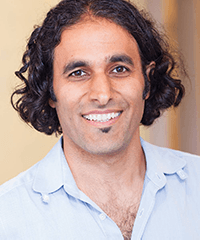
Recipient of the 2019 Seldin~Smith Award for Pioneering Research: Vijay G. Sankaran, MD, PhD

Dr. Sankaran

The American Society for Clinical Investigation (ASCI) is pleased to announce Vijay G. Sankaran, MD, PhD, as the recipient of the 2019 Donald Seldin~Holly Smith Award for Pioneering Research. Dr. Sankaran will receive an unrestricted award of $30,000 to advance his academic efforts, and he will be recognized on April 6, 2019, as part of the AAP/ASCI/APSA Joint Meeting (April 5-7). Dr. Sankaran will deliver a scientific talk at the 2020 Joint Meeting.

Dr. Sankaran’s research aims to understand blood cell production in health and disease. His work is focused on genetic variation that impacts this process of blood cell production. Of particular interest is how stem cells produce blood cells, how the hemoglobin genes are regulated during red blood cell production, and how disease alters these processes. From these insights, Dr. Sankaran hopes to develop improved therapies for blood disorders such as sickle cell disease, thalassemia, Diamond-Blackfan anemia, aplastic anemia, myelodysplastic syndromes, myeloproliferative disorders, and childhood leukemia.

“Vijay has a profound fund of scientific knowledge, is very facile in the laboratory and unafraid to adopt novel technology. Of greatest relevance is his insatiable curiosity,” David G. Nathan, MD, wrote in support of Dr. Sankaran’s application. “I might add that Vijay regularly supervises clinics, attends on the service and teaches genetics and hematology to Harvard’s Health Sciences and Technology students. That complex life is what Don Seldin and Holly Smith were all about.”

Dr. Sankaran earned his MD and PhD degrees from Harvard Medical School. He subsequently did a residency in pediatrics at Boston Children’s Hospital and Boston Medical Center, followed by a fellowship in pediatric hematology/oncology at Boston Children’s Hospital and the Dana-Farber Cancer Institute. He has been an Assistant Professor of Pediatrics at Harvard Medical School since 2014 and an Attending Physician in Hematology/Oncology since 2015 at Boston Children’s Hospital and the Dana-Farber Cancer Institute. His research has been supported in part by the National Institute of Diabetes and Digestive and Kidney Diseases, and the National Heart, Lung, and Blood Institute. He was elected to the ASCI in 2018.

Dr. Sankaran was selected from a group of exceptional applicants evaluated by the Seldin~Smith Award Selection Committee: Mukesh K. Jain (Chair), Vivian G. Cheung, Charles L. Sawyers, Elizabeth M. McNally, and Stuart H. Orkin. Finalists were evaluated by an Advisory Committee comprising five physician-scientist luminaries: Joseph L. Goldstein (Chair), Michael S. Brown, Robert J. Lefkowitz, Christine Seidman, and Arthur Weiss.

The Seldin~Smith Award complements two prestigious ASCI awards (the Stanley J. Korsmeyer Award and the Harrington Prize for Innovation in Medicine) that recognize senior physician-scientists who have made major contributions to science, mentorship, and translation of discovery to clinical impact.

The goal of the Seldin~Smith Award is to connect exceptionally creative early-career physician-scientists with the legacies of two iconic figures in medicine: Donald Seldin and Lloyd “Holly” Smith Jr. Drs. Seldin and Smith, who both passed away in 2018, provided the inspiration for this Award through their storied careers of developing generations of outstanding physician-scientists.

New Council members elected, 2019

The ASCI is pleased to announce the results of a recent ballot to fill pending Council vacancies. Dr. Benjamin Humphreys, Secretary-Treasurer Elect, oversaw the ballot; Drs. Chirag R. Parikh and Wanda Phipatanakul volunteered as auditors.

The following members will join the Council at the conclusion of the upcoming AAP/ASCI/APSA Joint Meeting, April 5-7.

Vice President: Hossein Ardehali, MD, PhD


Dr. Ardehali

Dr. Ardehali is Professor of Medicine–Cardiology and of Pharmacology at Northwestern University, and is Director of the Medical Scientist Training Program and the Center for Molecular Cardiology. He received his MD and PhD from Vanderbilt University School of Medicine, and he completed his medicine residency and cardiology fellowship training at the Johns Hopkins Hospital. Elected to the ASCI in 2012, he currently serves on the Council as Secretary-Treasurer.

Read more about Dr. Ardehali

Councilor: Anna Greka, MD, PhD


Dr. Greka

Dr. Greka is an Associate Professor at Harvard Medical School (HMS); an Associate Physician in the Renal Division in the Department of Medicine at Brigham and Women’s Hospital (BWH); and Founding Director of the Center for Kidney Disease and Novel Experimental Therapeutics (Kidney-NExT) at BWH. Dr. Greka is also a Member of the Broad Institute of MIT and Harvard. She received an MD and PhD in neurobiology from HMS and received her medical and scientific training in the Harvard-MIT program in Health Sciences and Technology (HST). Dr. Greka was elected to the ASCI in 2017.

Read more about Dr. Greka

Councilor: Sophie Paczesny, MD, PhD


Dr. Paczesny

Dr. Paczesny is Professor of Pediatrics and Immunology at the Indiana University School of Medicine. She received her MD and PhD from the University of Paris, where she completed her residency and fellowship in pediatric hematology/oncology and bone marrow transplantation. Prior to her appointment at Indiana University, she was a faculty member in the Blood and Marrow Transplantation Program at the University of Michigan. Dr. Paczesny was elected to the ASCI in 2014.

Read more about Dr. Paczesny

The ASCI’s 2019 Young Physician-Scientist Awards

The ASCI is pleased to recognize the 35 recipients of its 2019 Young Physician-Scientist Awards. The Awardees will present their work at the ASCI’s Food & Science Evening, on April 6, 2019, as part of the AAP/ASCI/APSA Joint Meeting, April 5-7, 2019.

Recipient Institution Abstract title
Kristopher R. Bosse, MD University of Pennsylvania The antibody-drug conjugate D3-GPC2-PBD potently eradicates neuroblastoma patient-derived xenografts
Lindsay C. Burrage, MD, PhD Baylor College of Medicine Biallelic variants in TONSL cause SPONASTRIME dysplasia and varied skeletal dysplasia phenotypes
James E. Cassat, MD, PhD Vanderbilt University Medical Center Integrated molecular imaging reveals tissue heterogeneity driving host-pathogen interactions
Tara I. Chang, MD, MS Stanford University School of Medicine Systolic and diastolic blood pressure and the risks of myocardial infarction, stroke and death: a reanalysis of ALLHAT
Scott M. Damrauer, MD University of Pennsylvania Perelman School of Medicine Genetics of peripheral artery disease in the Million Veteran Program
Maneesh Dave, MBBS, MPH Case Western Reserve University and University Hospitals Intestinal stem cell niche-derived 3D organoids recapitulate features of Crohn’s disease
Matthew J. Feinstein, MD, MSc Northwestern University Feinberg School of Medicine Phenotypes and characteristics of incident heart failure in human immunodeficiency virus
Marcus D. Goncalves, MD, PhD Weill Cornell College of Medicine High-fructose corn syrup enhances intestinal tumor growth
Gentzon Hall, MD, PhD Duke University The LMX1βR246Q mutation induces podocyte injury through dysregulation of cholesterol transport gene expression
Arnold Han, MD, PhD Columbia University Tracking individual T cell clones in response to immunotherapy
Brent A. Hanks, MD, PhD Duke University A novel inflammasome-Wnt signaling axis drives adaptive resistance to anti-PD-1 antibody immunotherapy in cancer
Cheng-Ying Ho, MD, PhD University of Maryland The role of keratinocyte-derived SIRT1 and BDNF in alleviating diabetic neuropathy
Ali Javaheri, MD, PhD Washington University School of Medicine Macrophage transcription factor EB attenuates myocardial dysfunction and inflammation after ischemia-reperfusion injury
Douglas B. Johnson, MD, MSCI Vanderbilt University Medical Center Clinical and molecular profiling of immune checkpoint inhibitor (ICI) induced neurotoxicity
Judith R. Kelsen, MD, MS The Children’s Hospital of Philadelphia A predictive signature of immune-mediated monogenic defects in children with very early-onset inflammatory bowel disease
Rami Khoriaty, MD University of Michigan SEC23A and SEC23B have overlapping functions in mice
Corrine R. Kliment, MD, PhD University of Pittsburgh Mitochondrial adenine nucleotide translocase influences ciliary function and airway homeostasis
Jonathan A. Kropski, MD Vanderbilt University Medical Center Single-cell genomic analysis of pulmonary fibrosis phenotypes
Alisa B. Lee-Sherick, MD University of Colorado School of Medicine MerTK is a potential immunotherapeutic target in acute leukemia
Stephanie Lovinsky-Desir, MD, MS Columbia University The role of tidal volume and respiratory rate in the relationship between pollutant exposure and airway inflammation
Jonathan M. Nizar, MD University of Iowa Dietary potassium regulates Thiazide diuretic sensitivity and is necessary for obesity-induced Thiazide sensitivity
Michael L. O’Byrne, MD, MSCE The Children’s Hospital of Philadelphia and Perelman School of Medicine at the University of Pennsylvania Practice variation in transcatheter and operative closure of patent ductus arteriosus in United States neonatal intensive care units
Ross A. Okimoto, MD University of California, San Francisco The CIC-DUX4 fusion oncoprotein drives metastasis and tumor growth via distinct downstream regulatory programs and therapeutic targets in sarcoma
Mitesh S. Patel, MD, MBA, MS University of Pennsylvania Effect of an automated patient dashboard using active choice and peer comparison performance feedback to physicians on statin prescribing: the PRESCRIBE Cluster Randomized Clinical Trial
Jennifer E. Posey, MD, PhD Baylor College of Medicine Rare variant family-based genomics reveals impact of population substructure on rate of multiple molecular diagnoses
Kurt Prins, MD, PhD University of Minnesota Increased protein O-GlcNAcylation is associated with right ventricular dysfunction in pulmonary arterial hypertension
Sunad Rangarajan, MD University of Colorado Anschutz Medical Campus Mitochondrial uncoupling protein-2 and fibroblast senescence in age-related lung fibrosis
Jeffery D. Roizen, MD, PhD The Children’s Hospital of Philadelphia Differential prevalence of CYP2R1 mutations across populations reveals an adaptive mechanism and pathway selection for maintaining serum 25-hydroxyvitamin D
Jason J. Rose, MD, MBA University of Pittsburgh School of Medicine Recombinant neuroglobin reverses the molecular mitochondrial effects of CO poisoning through CO scavenging
Benjamin D. Singer, MD Northwestern University Feinberg School of Medicine The epigenetic regulator Uhrf1 is essential for regulatory T cell development and maintenance
Benjamin H. Singer, MD, PhD University of Michigan Sepsis drives both pro-inflammatory and anti-inflammatory transcriptional responses in the human brain
Elizabeth A. Stewart, MD St. Jude Children’s Research Hospital Preclinical modeling of targeted therapeutics in pediatric solid tumors
Junko Takeshita, MD, PhD, MSCE University of Pennsylvania Perelman School of Medicine Racial disparities in use of ambulatory and emergency care among children with atopic dermatitis in the Pediatric Eczema Elective Registry
Zuzana Tothova, MD, PhD Dana-Farber Cancer Institute STAG2 mutations in leukemia alter cohesin complex function, DNA damage repair, and splicing
David Wu, MD, PhD University of Chicago Single cell metabolism reveals that a RhoA-mediated glycolytic burst drives endothelial cell contractions