The 2021 Harrington Prize for Innovation in Medicine: Warren J. Leonard, MD, and John J. O’Shea, MD

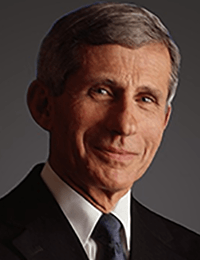
Dr. Leonard
Dr. Leonard
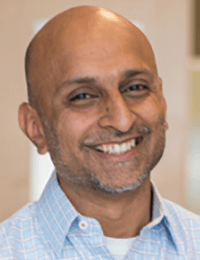
Dr. O'Shea
Dr. O’Shea

The eighth annual Harrington Prize for Innovation in Medicine is jointly awarded to Warren J. Leonard, MD, NHLBI, NIH Distinguished Investigator, and John J. O’Shea, MD, Scientific Director, NIAMS, NIH, for their respective contributions to the field of immunology, from fundamental discovery to therapeutic impact.

The Harrington Prize for Innovation in Medicine, established in 2014 by the Harrington Discovery Institute at University Hospitals and The American Society for Clinical Investigation (ASCI), honors physician-scientists who have moved science forward with achievements notable for innovation, creativity and potential for clinical application.

Cytokines, small proteins that modulate lymphocyte (immune cell) behavior, play an important role in the body’s immune response. A major group of cytokines termed interleukins (IL) were discovered in the 1970s and over 30 family members have been subsequently identified. The discovery of interleukin-2 (IL-2) as central to regulating T-lymphocyte activity was a major advance in the field. The 2021 Harrington Prize recognizes two physician-scientists whose individual and collaborative work has provided fundamental insights into IL-2-related biology, led to new diagnostics for human immunodeficiency syndromes, and resulted in a new class of therapeutics for numerous inflammatory and autoimmune disorders.

Dr. Leonard’s discovery of the IL-2 receptor was a major advance in the field. His studies also revealed that one component of this receptor, termed the gamma chain (IL-2Rγ), was shared amongst receptors for numerous interleukins, and thus central to signaling within the immune system. Indeed, seminal work by Dr. Leonard in 1993 demonstrated that patients with mutations in IL-2Rγ suffered from the immune disorder X-linked severe combined immunodeficiency (XSCID), or “Bubble Boy” disease. Babies born with XSCID have little to no immune protection, making them prone to developing life-threatening infections. Dr. Leonard’s work has also led to new molecular diagnostics in XSCID and paved the way to gene therapy for human XSCID.

Dr. O’Shea discovered the signaling protein JAK3 and showed that it was essential for the immune actions of interleukins that share IL-2Rγ. In collaborative papers in 1994 and 1995, Drs. Leonard and O’Shea demonstrated that JAK3 signals “downstream” of IL-2Rγ, leading them to predict and then demonstrate that similar to mutations in IL-2Rγ, mutations in JAK3 result in severe combined immunodeficiency. This finding suggested that therapies inhibiting JAK3 activity may dampen the immune system, which is overactive in many diseases. Dr. O’Shea then collaborated with industry to develop an oral JAK inhibitor for rheumatoid arthritis. This work has inspired a new field of JAK inhibitors, referred to as “jakinibs”, which are being evaluated in clinical trials for a wide range of inflammatory and immune diseases.

A committee composed of members of the ASCI Council and the Harrington Discovery Institute Scientific Advisory Board reviewed nominations from leading academic medical centers from four countries before selecting the 2021 Harrington Prize recipients.

“The impact Drs. Leonard and O’Shea have had on the field of immunology is nothing short of extraordinary. Their work spans the full continuum from discovery to bedside and represents precisely the type of advancements the Harrington Prize seeks to recognize,” said Lorraine B. Ware, MD, Professor of Medicine, Vanderbilt University School of Medicine and 2020-2021 President of the ASCI.

“We are pleased to recognize the groundbreaking work of Drs. Leonard and O’Shea. They are exemplary physician-scientists who have moved a field forward and transformed the standard of care. Their work will continue to have therapeutic impact for years to come,” said Jonathan S. Stamler, MD, President, Harrington Discovery Institute, Robert S. and Sylvia K. Reitman Family Foundation Distinguished Professor of Cardiovascular Innovation and Professor of Medicine and of Biochemistry at University Hospitals and Case Western Reserve University.

In addition to receiving a $20,000 honorarium, co-recipients Dr. Leonard and Dr. O’Shea will deliver The Harrington Prize Lecture at the 2021 AAP/ASCI/APSA Joint Meeting, will be featured speakers at the 2021 Harrington Scientific Symposium, and will co-publish an essay in the Journal of Clinical Investigation.

Harrington Discovery Institute

The Harrington Discovery Institute at University Hospitals in Cleveland, OH – part of The Harrington Project for Discovery & Development – aims to advance medicine and society by enabling our nation’s most inventive scientists to turn their discoveries into medicines that improve human health. The institute was created in 2012 with a $50 million founding gift from the Harrington family and instantiates the commitment they share with University Hospitals to a Vision for a ‘Better World’.

The Harrington Project for Discovery & Development

The Harrington Project for Discovery & Development (The Harrington Project), founded in late February 2012 by the Harrington Family and University Hospitals of Cleveland, is a $300 million national initiative built to bridge the translational valley of death. It includes the Harrington Discovery Institute and BioMotiv, a for-profit, mission-aligned drug development company that accelerates early discovery into pharma pipelines. For more information about The Harrington Project and the Harrington Discovery Institute, visit: HarringtonDiscovery.org.

The 2021 Stanley J. Korsmeyer Award: Benjamin L. Ebert, MD, PhD

Benjamin L. Ebert, MD, PhD, is the recipient of the 2021 Stanley J. Korsmeyer Award from the American Society for Clinical Investigation (ASCI) for his contributions to the understanding of the genetics, biology, and treatment of myeloid malignancies.

Dr. Ebert received a bachelor’s degree from Williams College; a doctorate from Oxford University on a Rhodes Scholarship under the mentorship of Sir Peter Radcliffe; and an MD from Harvard Medical School. He completed a residency in Internal Medicine at Massachusetts General Hospital, a fellowship in Hematology and Oncology at the Dana-Farber Cancer Institute, and a postdoctoral fellowship with Dr. Todd Golub at the Broad Institute.

Dr. Ebert’s laboratory focuses on myelodysplastic syndrome (MDS), a myeloid malignancy that frequently progresses to acute myeloid leukemia. Dr. Ebert initially worked to identify the gene responsible for a type of MDS arising from a specific chromosomal deletion of chromosome 5q. After finding in clinical trials that patients with this deletion had a better response to lenalidomide treatment, his laboratory identified the mechanistic basis for lenalidomide activity in both MDS and multiple myeloma. Lenalidomide induces the targeted degradation of disease-associated proteins. Further research revealed additional mechanisms of targeted protein degradation. These findings have helped open avenues for the identification of novel therapeutics.

In studies to characterize the premalignant state for myeloid malignancies, Dr. Ebert’s laboratory extended knowledge about clonal hematopoiesis, the state arising when a hematopoietic stem cell produces an expanded population of blood cells. His laboratory characterized the genetics of clonal hematopoiesis of indeterminate potential (termed CHIP), a premalignant state that affects more than 10% of people by age 70, and is associated with greater risk of hematologic malignancy, cardiovascular disease, and overall mortality. This knowledge may lead to prediction of disease risk and to improved patient outcomes through earlier detection and treatment of disease.

Dr. Ebert is the George P. Canellos, MD, and Jean S. Canellos Professor of Medicine at Harvard Medical School, the Chair of Medical Oncology at the Dana-Farber Cancer Institute, an Institute Member of the Broad Institute, and a Howard Hughes Medical Institute Investigator. Numerous foundations and organizations have supported his work; among these are the William Lawrence & Blanche Hughes Foundation, the Leukemia & Lymphoma Society, the Dr. Miriam and Sheldon G. Adelson Medical Research Foundation, and the Edward P. Evans Foundation. He has received  funding from the National Cancer Institute and the National Heart, Lung, and Blood Institute, among other US federal agencies.

Dr. Ebert’s achievements have been recognized widely. He received the William Dameshek Prize from the American Society of Hematology in 2017, the Meyenburg Prize from the Meyenburg Foundation in 2019, and the Sjöberg Prize from the Sjöberg Foundation and the Royal Swedish Academy of Sciences in 2021. He was elected to the Association of American Physicians in 2015 and the National Academy of Medicine in 2019. Elected to the ASCI in 2011, Dr. Ebert subsequently became an ASCI Council member in 2015 and served as ASCI President, 2017-2018.

Call for applications, JCI Editor, 2022-2027

The American Society for Clinical Investigation (ASCI) invites applications for the position of Editor in Chief of the Journal of Clinical Investigation (JCI). The JCI, one of the oldest and most respected biomedical journals, is renowned for publishing exemplary studies focused on the mechanistic basis and treatment of disease. The ASCI seeks a dynamic Editor in Chief who will lead a team of academic editors to sustain and strengthen the journal in the highly competitive publishing landscape.

Duties of the Editor

The Editor is responsible for: determining the scientific scope and content of the JCI; ensuring the quality and integrity of publications; assembling and leading an Editorial Board to handle research submissions; and meeting goals set by the ASCI Council and Publications Committee.

The selected candidate will serve on the ASCI Council and fulfill the responsibilities of a Council member during their tenure with the JCI. The term of office is 5 years and begins March 2022.

Strategic Focus

The Editor must provide a clear vision for the future scientific development of the JCI, with a particular emphasis on how the journal can expand its portfolio of high-impact research publications, such as clinical trials, translational studies, and cutting-edge genomics and bioinformatics research. The successful applicant should articulate a vision for attracting high-quality submissions to the journal. It is also important to ensure that JCI complements rather than competes with JCI Insight in the ASCI family of journals. The Editor works in collaboration with the Editorial Board, the JCI Executive Editor, the ASCI publishing staff, and the ASCI Publications Committee to set priorities for the journal.

Eligibility of the Editor and Editorial Board

To be considered for the position of Editor, a candidate must:

  • be a member of the ASCI
  • demonstrate a strong scientific record

For the proposed Editorial Board:

  • At least two-thirds must be ASCI members (Active or Senior) in good standing
  • Multi-institution applications are encouraged

Application timeline

  • May 17, 2021 (extended from May 3, 2021): Letters of intent (LOI) due. The LOI only needs to include the name of the proposed Editor in Chief and their affiliated institution but does not need to specify details regarding the application. Applicants submitting LOI will receive an operational overview of the ASCI and JCI for use in developing full applications.
  • August 2, 2021: Full applications due.
  • September 20, 2021: Finalists for the Editor position determined.
  • October 15 and October 18, 2021: Editor Selection Committee interviews finalists

Full application requirements

The applicant should address the following areas in 5 or fewer single-spaced pages:

  • Describe your vision for the scientific scope of manuscripts published in the journal under your leadership, including scientific areas you see as priorities for the JCI, potential new article categories (if applicable), and areas you see as opportunities for growth and increased impact.
  • Provide details regarding proposed Editorial Board members.
    • Describe how you will ensure that the team has the breadth to handle submissions across all specialties, including any areas of new or expanded emphasis for the journal.
    • Describe how Clinical Medicine submissions will be encouraged and handled, including any Board members with specific expertise in clinical research and translational medicine. Clinical research expertise among the Editorial Board leadership is strongly encouraged.
    • Specify Board members with expertise in -omics and bioinformatics, and any efforts that will be made to expand submissions in these areas
  • Describe how the proposed Board will evaluate manuscripts and specific efforts to ensure scientific rigor, fair decisions, and timeliness.
  • Describe your vision for attracting the best research submissions to the journal.
  • In the event that you cannot complete the duration of the term, describe the process by which a candidate to replace the Editor in Chief would be identified (subject to approval by the Council and a vote by the membership).

In addition, the application must include a letter from each proposed Board member stating a commitment to the role.

Submitting letters of intent and applications

Address materials to Sohail F. Tavazoie, MD, PhD, Chair, Editor Selection Committee, and send as an attachment to staff@the-asci.org.

Questions

Contact Sarah Jackson, Executive Editor, at sarah.jackson@the-jci.org.

Review of applications

The Editor Selection Committee will review applications, interview candidates, and recommend a candidate to the ASCI Council, which then submits the recommendation to a vote of the Active segment of the ASCI membership.

Editor Selection Committee

Chair

Sohail F. Tavazoie, MD, PhD
The Rockefeller University

Members

Rexford S. Ahima, MD, PhD
Johns Hopkins University School of Medicine

Kathleen L. Collins, MD, PhD
University of Michigan Medical School

Jennifer Rubin Grandis, MD, FACS
University of California, San Francisco, School of Medicine

Priscilla Hsue, MD
University of California, San Francisco, School of Medicine

Benjamin D. Humphreys, MD, PhD
Washington University School of Medicine in St. Louis

Martin G. Myers, Jr., MD, PhD
University of Michigan Medical School

M. Bishr Omary, MD, PhD
Rutgers, Robert Wood Johnson Medical School

Robert H. Vonderheide, MD, DPhil
University of Pennsylvania Perelman School of Medicine

Non-voting member

Sarah C. Jackson, PhD
Executive Editor, American Society for Clinical Investigation

New members, 2021

The ASCI is pleased to announce the election of the Society’s new members for 2021.

These new members come from 43 different institutions and represent excellence across the breadth of academic medicine. They will be officially inducted into the Society on April 8, 2021, as part of the 2021 AAP/ASCI/APSA Joint Meeting, held virtually April 8-10.

The Council recommended 80 nominees (the limit according to the ASCI bylaws) for election from the 245 nominations submitted for consideration. The Active and Senior segments of the membership voted on the recommendation, with 41% of eligible voters submitting their ballots by the deadline. The vote was overwhelmingly in favor of approving the recommendation.

Benjamin Humphreys, the 2019-2021 Secretary-Treasurer, oversaw and served as one of three required auditors of the ballot, as per the bylaws. Drs. Kenneth J. Mukamal and Martin G. Myers volunteered to serve as the other two auditors who reviewed and confirmed the results.

NomineeInstitution
Muktar Hassan Aliyu, MBBS, MPH, DrPHVanderbilt University School of Medicine
Daniel Evan Bauer, MD, PhDHarvard Medical School, Boston Children’s Hospital
Himisha Beltran, MDHarvard Medical School, Dana-Farber Cancer Institute
Ami S. Bhatt, MD, PhDStanford University School of Medicine
Cynthia Melinda Boyd, MD, MPHJohns Hopkins University School of Medicine
Supinda Bunyavanich, MD, MPH, M.PhilIcahn School of Medicine at Mount Sinai
Mark Edward Burkard, MD, PhDUniversity of Wisconsin School of Medicine and Public Health
Martin D. Burke, MD, PhDUniversity of Illinois at Urbana-Champaign
Manish J. Butte, MD, PhDUniversity of California, Los Angeles, David Geffen School of Medicine
Lauren Averett Byers, MD, MSUniversity of Texas MD Anderson Cancer Center
Julie P.W. Bynum, MD, MPHUniversity of Michigan Medical School
Kirk Campbell, MDIcahn School of Medicine at Mount Sinai
Susan Cheng, MD, MPH, MMScCedars-Sinai Medical Center
Jaehyuk Choi, MD, PhDNorthwestern University Feinberg School of Medicine
Sung Won Choi, MDUniversity of Michigan Medical School
Paul Cohen, MD, PhDThe Rockefeller University
Michael Cohen-Wolkowiez, MD, PhDDuke University School of Medicine
Joseph N. Contessa, MD, PhDYale School of Medicine
Patricia I. Dickson, MDWashington University School of Medicine in St. Louis
Nataki C. Douglas, MD, PhDRutgers, New Jersey Medical School
Brian T. Edelson, MD, PhDWashington University School of Medicine in St. Louis
Peter Edward Fecci, MD, PhDDuke University School of Medicine
Jennifer Elizabeth Flythe, MD, MPHUniversity of North Carolina School of Medicine
Stephen J. Freedland, MDCedars-Sinai Medical Center
Walid F. Gellad, MD, MPHUniversity of Pittsburgh Medical Center
Jeffrey Stephen Gerber, MD, PhD, MSCEChildren’s Hospital of Philadelphia
Peyman Golshani, MD, PhDUniversity of California, Los Angeles, David Geffen School of Medicine
Matthew Blake Greenblatt, MD, PhDWeill Cornell Medical College
Alejandro Gutierrez, MDHarvard Medical School, Boston Children’s Hospital
Nadia Nathalie Hansel, MD, MPHJohns Hopkins University School of Medicine
Tara O. Henderson, MD, MPHUniversity of Chicago Pritzker School of Medicine
Mark A. Herman, MDDuke University School of Medicine
Jacqueline Ho, MDUniversity of Pittsburgh Children’s Hospital
Anupam B. Jena, MD, PhDHarvard Medical School
Peng Ji, MD, PhDNorthwestern University Feinberg School of Medicine
Petros C. Karakousis, MDJohns Hopkins University School of Medicine
Purna C. Kashyap, MBBSMayo Clinic
Anna Kottgen, MD, MPHUniversity Medical Center Freiburg
Andrew A. Lane, MD, PhDHarvard Medical School, Dana-Farber Cancer Institute
Benjamin Levi, MDUniversity of Texas Southwestern Medical Center
Deborah A. Levine, MD, MPHUniversity of Michigan Medical School
Philana Ling Lin, MD, MScUniversity of Pittsburgh School of Medicine
Piro Lito, MD, PhDMemorial Sloan Kettering Cancer Center
Carey Nien-Kai Lumeng, MD, PhDUniversity of Michigan Medical School
Tippi Cicek MacKenzie, MDUniversity of California, San Francisco, School of Medicine
Bradley A. Maron, MDHarvard Medical School, Brigham & Women’s Hospital
Nuala J. Meyer, MD, MSUniversity of Pennsylvania Perelman School of Medicine
Constantine S. Mitsiades, MD, PhDHarvard Medical School, Dana-Farber Cancer Institute
Erik Steven Musiek, MD, PhDWashington University School of Medicine in St. Louis
Peggy Suejin Myung, MD, PhDYale School of Medicine
Kristen Jane Nadeau, MS, MD, FAAPUniversity of Colorado School of Medicine
Utpal Pajvani Bhagirath, MD, PhDColumbia University College of Physicians & Surgeons
Ganesh S. Palapattu, MD, FACSUniversity of Michigan Medical School
Christopher Yongchul Park, MD, PhDNew York University School of Medicine
Mitesh S. Patel, MD, MSUniversity of Pennsylvania Perelman School of Medicine
Chad Victor Pecot, MDUniversity of North Carolina School of Medicine
Jennifer A. Philips, MD, PhDWashington University School of Medicine in St. Louis
Christopher Pittenger, MD, PhDYale School of Medicine
Jalees Rehman, MDUniversity of Illinois College of Medicine
Eugene P. Rhee, MD MAHarvard Medical School, Massachusetts General Hospital
Nasia Safdar, MD, PhDUniversity of Wisconsin School of Medicine and Public Health
Jacob G. Scott, MD, DPhilCleveland Clinic
Michael U. Shiloh, MD, PhDUniversity of Texas Southwestern Medical Center
Heath Devin Skinner, MD, PhDUniversity of Pittsburgh Medical Center
Joanna E. Steinglass, MDColumbia University College of Physicians & Surgeons
Matthew L. Steinhauser, MDUniversity of Pittsburgh School of Medicine
Nathan O. Stitziel, MD, PhDWashington University School of Medicine in St. Louis
Sunil Sudarshan, MDUniversity of Alabama at Birmingham School of Medicine
Takanori Takebe, MD, PhDCincinnati Children’s Hospital
Hilary Aurora Tindle, MD, MPHVanderbilt University School of Medicine
Carlo Giovanni Traverso, MB, BChir, PhDHarvard Medical School, Brigham & Women’s Hospital
Chinmay Trivedi, MD, PhDUniversity of Massachusetts Medical School
Alexander C. Tsai, MD, PhDHarvard Medical School, Massachusetts General Hospital
Jeremy Veenstra-VanderWeele, MDColumbia University College of Physicians & Surgeons
Jiou Wang, MD, PhDJohns Hopkins Medical Institutes
Jinoos Yazdany, MD, MPHUniversity of California, San Francisco, School of Medicine
Lisa R. Young, MDChildren’s Hospital of Philadelphia
Xu Yu, MDHarvard Medical School, Massachusetts General Hospital
Lei Zheng, MD, PhDJohns Hopkins University School of Medicine
Julie Zikherman, MDUniversity of California, San Francisco, School of Medicine

Call for nominations: 2021 Young Physician-Scientist Awards

The ASCI is pleased to call for nominations for the ASCI’s 2021 Young Physician-Scientist Awards. This is an excellent recognition opportunity for a young faculty member.

We seek nominations from ASCI members of outstanding physician-scientists who have recently received their first faculty appointment (preferably in the last 5 years).

Nominees must be funded by a current NIH K or equivalent career-development award (in or outside the United States). However, we welcome nominations of NIH intramural physician-scientists on the basis of their appointment only. See nomination form for detail.

Those selected for this Awards program will be recognized at the 2021 Joint Meeting and participate in mentoring and networking activities at and beyond the meeting.

Up to 40 Awards will be given for 2021. The following materials are required for nominations, which must be submitted by nominating members through their accounts on or before the extended deadline, January 22, 2021, at 11:59 pm, U.S. Eastern:

Call for Council nominations, 2021

The Society seeks nominations for the following ASCI Council vacancies arising in 2021 (all terms begin and end in the spring):

  • Vice President (4-year term, 2021-2025),
  • 3 Councilor positions (3-year term, 2021-2024).

All Council members are expected to support the activities of and attend the ASCI annual meeting, and to participate in the general governance of the Society, including two in-person meetings (fall and spring, coordinate with the annual meeting) and conference calls (typically every other month). All Council members participate in the review of membership nominations.

The Vice President transitions to President-Elect in year 2 and President in year 3. For the 2nd through 4th years of this position, this member is expected to participate significantly in matters related to the Joint Meeting. In the Presidential year (year 3), the member convenes a face-to-face Council meeting and oversees related review processes for nominations, notably including those to membership. The President works closely with the Association of American Physicians to create the annual meeting program, and the member presents the traditional Presidential Address at the meeting. In year 4, the President transitions to Immediate Past President, serving as an advisor to the current President and with full Council responsibilities and privileges.

The Council is supported by an Executive Director, Managing Director, and other staff members who oversee the day-to-day operations of the Society and effect initiatives as directed by the Council. For details on Officers and Councilors, see the ASCI Bylaws.

Members who will be 55 or younger in 2024 are eligible for nomination. Nominations must be submitted by January 22, 2021, at 11:59 PM EST, and consist of a 250-word summary of accomplishments accompanied by an NIH-style brief biosketch (PDF only). Self-nominations are not allowed. If the nomination is intended for a specific vacancy, note this in the nomination comments. The Society encourages members to consider diversity in identifying those suitable for nomination.

Nominations may be submitted by any member and must be submitted through member accounts

Call for nominations, 2021 Seldin~Smith Award

The ASCI is pleased to call for nominations for the 2021 Donald Seldin~Holly Smith Award for Pioneering Research. The Award seeks to recognize and connect the next generation of physician-scientist leaders with the legacies of two of the ASCI’s most esteemed members, Drs. Donald W. Seldin and Lloyd H. “Holly” Smith Jr.

For the Award, the ASCI seeks nominations of outstanding physician-scientists who have demonstrated exceptional creativity and accomplishments in biomedical research. The ideal nominee:

  • is an early-stage, clinically active physician-scientist addressing fundamental questions that relate to human health and disease, and
  • shows great promise in biomedicine.

The recipient of the Seldin~Smith Award will receive an unrestricted grant of $30,000 to advance academic efforts. S/he will be recognized at the 2021 AAP/ASCI/APSA Joint Meeting, deliver a research talk at the 2022 Joint Meeting, and receive mentoring from the members of the Seldin~Smith Award Selection Committee and Advisory Committee.

Eligibility

  • MD (or the equivalent) or MD/PhD;
  • The candidate must be more than 2 years but not more than 6 years from first faculty (or the equivalent) appointment at the time of acceptance in April 2021;
  • The candidate spends substantial time in research while providing direct patient care.

This competition is not restricted to any geographic location.

Note that while those who are already ASCI members may be nominated (provided they meet the preceding eligibility criteria), we encourage nominations of those who are not yet members, in order to best represent the promise of early-stage physician-scientists that this award is intended to recognize.

Application

Physician-scientists should apply directly by sending nominations by email attachments to staff@the-asci.org.

  • Completed nomination form, including:
    • a summary of the nominee’s research (not to exceed 100 words)
    • a description of the nominee’s most significant achievement (not to exceed 500 words).
    • a list of the nominee’s three most significant publications and a short statement describing the significance of each publication (not to exceed 100 words each).
    • Nominee’s agreement, if chosen as the recipient, to attend the 2021 AAP/ASCI/APSA Joint Meeting (April 9-11) and the 2022 AAP/ASCI/APSA Joint Meeting (April 8-10).
  • PDFs of the nominee’s three most significant publications as listed in the nomination form.
  • Nominee’s curriculum vitae (PDF). Include only educational background, major awards, and peer-reviewed publications (do not include abstracts, grants, or meeting presentations).
  • No more than two letters of support (as PDFs), one from the nominee’s primary mentor, the other ideally from an individual who is a recognized expert on the subject of the nominee’s research.

Notable dates and selection process

  • Nomination deadline: January 15, 2021.
  • Recipient will be notified in February 2021.
  • Recipient will be recognized at the 2021 AAP/ASCI/APSA Joint Meeting, April 9-11.
  • Recipient will deliver a research talk at the 2022 AAP/ASCI/APSA Joint Meeting, April 8-10.

The Seldin~Smith Award Selection Committee reviews nominations and selects finalists for further consideration by the Seldin~Smith Award Advisory Committee.

About the ASCI

Founded in 1908, the ASCI is home to physician-scientist leaders in academic medicine and industry across the world. The ASCI seeks to support the scientific efforts, educational needs, and clinical aspirations of physician-scientists to improve human health. The Society, based in the United States, is a nonprofit 501(c)(3) organization.

An open letter to the US Food and Drug Administration urging politics-free review of COVID-19 vaccines and new drugs

October 29, 2020

Stephen M. Hahn, MD
Commissioner
Food and Drug Administration

We, the undersigned, representing the American Society for Clinical Investigation (ASCI), write to endorse and support our colleagues at the FDA in following established procedures of review for all new COVID-19 drug applications, including vaccines, as detailed in  “Emergency Use Authorization for Vaccines to Prevent COVID-19: Guidance for Industry” (FDA, October 2020, docket 2020-D-1137-0019).

Researchers across the world from diverse fields of basic and clinical science have come together in record time to make critical advances aimed at ending the COVID-19 pandemic. These advances have been facilitated by the active engagement of government funding agencies and key regulatory bodies. This work must move forward expeditiously but without cutting corners. Processes have been created and tested to ensure that scientific standards across the continuum of drug development are upheld, and these should be respected. To do otherwise would jeopardize the safety, rigor, and integrity of these studies.

The ASCI is a nonprofit organization of physician-scientist leaders founded in 1908. The Society has more than 3,200 members active in academic medical centers and industry who are committed to science and patient care. The ASCI has full confidence in the FDA’s career scientists and advisory bodies to evaluate forthcoming new drugs and vaccines with impeccable, science-based scrutiny, free of all political pressures. Such scrutiny is key to maintaining the public’s trust in the FDA to ensure that drugs and vaccines made available to our nation’s population are safe and effective.

The 2020-2021 American Society for Clinical Investigation Council:

Lorraine B. Ware, MD (President)
Vanderbilt University School of Medicine

Hossein Ardehali, MD, PhD (President-Elect)
Northwestern University Medical Center

Sohail F. Tavazoie, MD, PhD (Vice President)
Rockefeller University

Benjamin D. Humphreys, MD, PhD (Secretary-Treasurer)
Washington University School of Medicine in St. Louis

Rexford S. Ahima, MD, PhD (Editor, The Journal of Clinical Investigation)
Johns Hopkins University

Kathleen L. Collins, MD, PhD (Editor, JCI Insight)
University of Michigan

W. Kimryn Rathmell, MD, PhD (Immediate Past President)
Vanderbilt University School of Medicine

Anna Greka, MD, PhD (Councilor)
Brigham and Women’s Hospital, Harvard Medical School

Priscilla Y. Hsue, MD (Councilor)
University of California, San Francisco

Sophie Paczesny, MD, PhD (Councilor)
Medical University of South Carolina

Doris A. Stoffers, MD, PhD (Councilor)
University of Pennsylvania

Jennifer A. Wargo, MD, MMSc (Councilor)
University of Texas MD Anderson Cancer Center

Voters approve Diversity, Inclusion, and Equity Committee for addition to bylaws

In June, the ASCI Council issued a statement on diversity, inclusion, and equity. In August, further detail was provided in a Journal of Clinical Investigation Viewpoint, A deliberate path toward diversity, equity, and inclusion within the ASCI. Within these, a plan was described to establish a permanent Diversity, Inclusion, and Equity Committee through proposed amendment of the ASCI bylaws.

A ballot was issued to Active voters on September 29, 2020, proposing the following addition to the organization’s bylaws under “Article VII – Committees”:

Diversity, Inclusion, and Equity Committee. This committee ensures that the organization, its programs, and its mentoring mechanisms promote and recognize diversity, inclusion, and equity. The President, Vice President, and President Elect are standing members of the committee; in the event the Chair role is vacant, the President appoints the Chair, who serves a single 3-year term, from among all Council members. Other committee members may be drawn from across the membership and are added by simple majority vote of the committee; these members serve up to 3-year terms that conclude at the start of the Society’s annual meeting or May 1, whichever is earlier.

By the October 5, 2020, deadline, 52% of voters responded. The results were:

Response Votes, n % of total
Yes 424 96.80%
No 8 1.83%
Abstain 6 1.37%

Following the bylaw’s Ballot Review Committee section, these results were received, reviewed, and verified by Benjamin Humphreys (2020-2021 ASCI Secretary-Treasurer) and two Active members identified by random selection from ballots submitted and who agreed to audit the results. Thank you to Christopher E. Barbieri, MD, PhD (Weill Cornell Medical College) and Daniel J. Brat, MD, PhD (Northwestern University Feinberg School of Medicine) for their service.

ASCI members elected to the National Academy of Medicine, 2020

The ASCI congratulates its members who have been elected to the National Academy of Medicine for 2020. Twenty-two members are represented among the 100 members elected for 2020 (full list). (Citation information following each member as given by the National Academy of Medicine.)

Rexford S. Ahima, MD, PhD (elected to ASCI in 2005)

For innovative laboratory and translational studies that have elucidated the pathophysiology and potential therapies for obesity, diabetes, and related diseases.

Mark S. Anderson, MD, PhD (elected to ASCI in 2009)

For being a leader in the study of autoimmune diseases and the mechanisms that control immune tolerance. He was involved in the seminal discovery of the function of AIRE, a key transcriptional regulator that operates in the thymus to promote the display of a broad array of self-antigens.

Dan H. Barouch, MD, PhD (elected to ASCI in 2009)

For being an international leader in virology and immunology and developing novel vaccines and cure strategies for viruses of global importance, including working on one of the first COVID-19 vaccine candidates, the first Zika virus vaccine, and the first global mosaic HIV-1 vaccine, as well as defining immunotherapeutic HIV-1 cure strategies.

Randall J. Bateman, MD (elected to ASCI in 2012)

For discovering the causes of Alzheimer’s disease (AD), the first highly specific blood test for AD, and initiating the first prevention trial in AD with a public-private clinical trial platform.

Myles A. Brown, MD (elected to ASCI in 1997)

For his leadership in oncology and endocrinology, whose seminal contributions have fundamentally reformulated the mechanistic understanding of hormone dependence of breast and prostate cancers, enabling the development of new therapies for these diseases.

Judy H. Cho, MD (elected to ASCI in 2005)

For establishing that uncommon, loss-of-function variants in the microbial-sensing domain of NOD2 confer risk for Crohn’s disease, and identifying a loss-of-function allele in the IL-23 receptor that protects against Crohn’s disease and ulcerative colitis, leading to new, approved therapies.

Augustine M.K. Choi, MD (elected to ASCI in 2001)

For pioneering the field of gaseous molecules to develop novel therapies to treat lung and non-pulmonary diseases, and making a transformative impact to improve mentorship, diversity and financial equity in medical education.

Wendy K. Chung, MD, PhD (elected to ASCI in 2015)

For identifying the genetic basis for over 45 monogenic conditions (two of which bear her name) across a wide range of diseases, and leading the pivotal study of newborn screening for spinal muscular atrophy. She was the original plaintiff in the Supreme Court case on gene patents.

David W Clapp, MD (elected to ASCI in 2001)

For his work that has led to fundamental new insights into the pathogenesis of NF-1 and improved lives for children and adults with this disorder, and for developing robust career development programs for trainees and faculty to become leaders themselves.

Ralph J. DeBerardinis, MD, PhD (elected to ASCI in 2013)

For fundamentally changing the understanding of cancer metabolism. His work emphasized the importance of mitochondria in tumor growth and identified metabolic vulnerabilities imposed by tumor genetics.

Ronald P. DeMatteo, MD (elected to ASCI in 2015)

For his work establishing the standard of care for combining surgery and targeted therapy (imatinib) for gastrointestinal stromal tumor (GIST), and defining the immune response to GIST and its modulation by targeted therapy.

Justin B. Dimick, MD, MPH (elected to ASCI in 2017)

For his leadership in elevating the science of health care policy evaluation, quality measurement, and comparative effectiveness research within surgical populations.

Cynthia E. Dunbar, MD (elected to ASCI in 2003)

For leading pioneering genetic marking and therapy trials targeting hematopoietic stem cells, and developing uniquely predictive non-human primate models to successfully improve the safety and efficiency of various gene therapies as well as gain insights into hematopoiesis and immunology.

B. Mark Evers, MD (elected to ASCI in 2002)

For his expertise on intestinal hormones and hormonal arcades in oncogenesis. His seminal insights defined the role of gut hormones on normal physiology and metabolism, pioneering innovative understanding of neuroendocrine cell biology and the role of neurohormonal pathways in the development and progression of neuroendocrine tumors.

Toren Finkel, MD, PhD (elected to ASCI in 2002)

For providing the first demonstration that reactive oxygen species (ROS) function as endogenous signaling molecules, thus establishing the field of redox signaling. He has delineated how mitochondrial and cytosolic ROS are regulated, identified cellular redox targets, and defined how ROS-regulated pathways contribute to human disease and normal aging.

David E. Fisher, MD, PhD (elected to ASCI in 1999)

For elucidating the ultraviolet (UV) pigmentation pathway, UV-seeking endorphin response, skin cancer prevention strategies, and hair graying mechanism; discovering melanoma and sarcoma oncogenes; and developing a routinely used melanoma diagnostic.

Levi Garraway, MD, PhD (elected to ASCI in 2009)

For the discovery of genetic drivers of melanoma, prostate cancer, and other malignancies, the discovery of mechanisms of response and resistance to anticancer therapies in melanoma and other cancer types, pioneering platforms and approaches to cancer precision medicine, and incorporating precision medicine principles in therapeutic development.

Jeffrey Louis Goldberg (elected to ASCI in 2011)

For his contribution to the understanding of the regeneration of retinal ganglion cells and axonal growth, and for being a driving force behind vision restoration clinical trials in glaucoma therapeutics and biomarker development.

Joel N. Hirschhorn, MD, PhD (elected to ASCI in 2006)

For his development of methods and standards for performing and interpreting genome-wide association studies. He leads the Genetic Investigation of ANthropometric Traits (GIANT) consortium, which identified most currently known loci associated with stature and obesity.

Aleksandar Rajkovic, MD, PhD (elected to ASCI in 2014)

For leading, mentoring, and being a role model for physician-scientists in reproductive sciences. He discovered numerous genes that play critical roles in reproductive tract development, male and female infertility, and reproductive tract tumors. He has been at the forefront of innovative technologies in the discovery of mechanisms and diagnostics in reproductive pathologies.

Antoni Ribas, MD, PhD (elected to ASCI in 2009)

For defining the mechanistic basis of response and acquired resistance to immune checkpoint blockade cancer immunotherapies, and leading multicenter clinical trials that have provided transformative treatments for patients with advanced melanoma, changing it from a fatal disease to one that is often cured.

Paul M. Ridker, MD (elected to ASCI in 1999)

For his paradigm-shifting work that has not only provided proof-of-principle for the inflammation hypothesis of atherothrombosis but also provided clinicians with the first Food and Drug Administration-approved diagnostic test for vascular inflammation and the first proven anti-inflammatory treatment for atherosclerosis.