Recipient of the 2022 Seldin~Smith Award for Pioneering Research: Piro Lito, MD, PhD

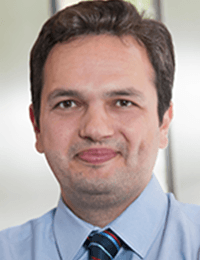
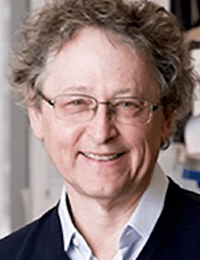
Dr. Lito

The American Society for Clinical Investigation (ASCI) is pleased to recognize Piro Lito, MD, PhD, as the recipient of the 2022 Donald Seldin~Holly Smith Award for Pioneering Research. Dr. Lito receives an honorarium of $30,000 to advance his academic efforts and will deliver a scientific talk at the 2023 AAP/ASCI/APSA Joint Meeting.

Dr. Lito has worked to understand KRAS oncoprotein signaling in cancer. Approximately 25% of patients with lung cancer have KRAS mutations; and ~13% of these have the specific mutation G12C. Dr. Lito demonstrated that KRAS mutants are not locked in their active state but rather cycle between their active and inactive states in cancer cells. Further, he described the mechanism by which KRAS G12C can be inhibited by drugs that target its inactive state, rendering it unable to contribute to further tumor growth. In addition, Dr. Lito co-led the first-in-human clinical trial of the KRAS G12C inhibitor sotorasib, work that paved the way for the US FDA’s approval of sotorasib in 2021.

Frank McCormick, PhD, FRS, DSc (Hon), who is Professor, UCSF Helen Diller Family Comprehensive Cancer Center, supported Dr. Lito’s nomination, noting that “Piro is exemplary of the kind of person we should support with the Seldin~Smith Award. He has tremendous potential to conduct high‐risk and potentially groundbreaking research.”

Dr. Lito earned his BS, PhD, and MD from Michigan State University. He subsequently completed his internship and residency in internal medicine at the Beth Israel Deaconess Medical Center and Harvard Medical School. He did his clinical fellowship in medical oncology and postdoctoral research at the Memorial Sloan Kettering Cancer Center, where he is currently Associate Member and Attending Physician. Dr. Lito’s research has been supported in part by the National Cancer Institute. He is a Pew-Stewart Scholar in Cancer Research, a Damon Runyon Clinical Investigator, a recipient of the 2018 ASCI’s Young Physician-Scientist Awards, and the recipient of the 2021 Trailblazer Prize for Clinician Scientists by the Foundation of the National Institutes of Health. He was elected to the ASCI in 2021. 

Nominations were evaluated by the Seldin~Smith Award Selection Committee: Mukesh K. Jain (Chair), Vivian G. Cheung, Charles L. Sawyers, Elizabeth M. McNally, W. Kimryn Rathmell, and Lorraine Ware. Finalists were evaluated by an Advisory Committee comprising five physician-scientist luminaries: Joseph L. Goldstein (Chair), Michael S. Brown, Robert J. Lefkowitz, Christine Seidman, and Arthur Weiss.

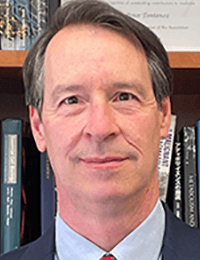
Message from Sohail Tavazoie, the incoming 2022-2023 President

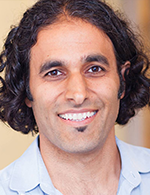
Dr. Tavazoie

I am incredibly honored to start my term as ASCI President. My four years on Council revealed to me the critical roles our members and organization play in benefiting society. The scientific study of human disease improves human health, enhances our fundamental understanding of biology, supports our economy, spawns new and previously unforeseeable disciplines, and is the most privileged profession imaginable for many of us.

It is my hope that we will better support and enable current and future physician-scientists to have the opportunities we’ve had so they can make the transformative discoveries of tomorrow. To this end, we wish to hear from you. We will be sending members a survey to inform our Council about the needs, challenges, and aspirations of our members and their physician-scientist trainees. I have also begun an initiative to highlight and promote the scientific and personal histories of our membership. To do this, we will be requesting your research interests, recent key publications, and a short video, all of which will be posted on an updated ASCI website and directory. This will serve to inspire physician-scientist trainees, enhance their recruitment into members’ labs, and foster interactions, collaborations, and support networks in our community.

We will also soon announce the details of two awards aimed at recognizing outstanding mid-career members, and we are planning additional initiatives to nurture the careers of physician-scientist trainees and junior faculty members.

You can follow these developments on Twitter @the_asci, @AsciPresident, the JCI @jclinicalinvest, and JCI Insight @jci_insight.

Sincerely,

Sohail Tavazoie, MD, PhD

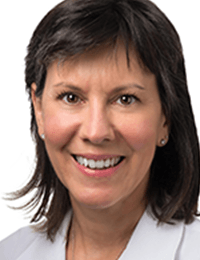
Message from Hossein Ardehali, the outgoing 2021-2022 President

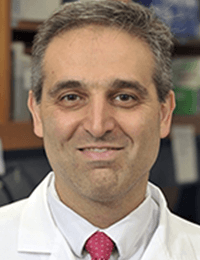
Dr. Ardehali

I have completed my 2021-2022 Presidential term and am grateful for the trust the membership placed in me by electing me to serve in this special capacity. It has been a true and humbling honor for me, having immigrated as a teenager from war-torn Iran to the US, where I was able to pursue the physician-scientist career path. In my Presidential Address at April’s Joint Meeting, I talked about my personal history as an immigrant but more importantly the significance of immigration to science and technology in the US, which I hope will continue to be a symbol of freedom and remain open to the world. (Watch the video.)

I’m pleased that we were able to accomplish the following initiatives during my term:

  • We created the ASCI Scientific Sessions, monthly presentations from accomplished investigators, free and open to all, through the academic year. We started in September 2021 with Dr. Bill Kaelin and finished this cycle with Dr. Charles Sawyers. (See the 2021-2022 archive.) The 2022-2023 ASCI Scientific Sessions will start in September 2022.
  • We increased programming for early-career physician-scientists, including the ASCI’s Physician-Scientist Pathway Series, a periodic informal discussion between a senior ASCI member and the ASCI’s early-career awardees (more below). Thank you to Drs. Miriam Merad and Sangeeta Bhatia for their participation as we started this Series.
  • We strengthened international outreach, notably to the Association of Physicians of Great Britain and Ireland, with ongoing discussion regarding tangible collaborations between our respective groups.
  • We started a quarterly summary of ASCI activities and information (this email being a continuation of that initiative).

I give my thanks to Drs. Lorraine Ware, Kim Rathmell, and Kieren Marr, who preceded me when I started on the Presidential path and who provided great examples of leadership, and to the many Council members with whom I’ve served since being elected to the Council in 2016. All have contributed significant time and effort to ensure the ASCI’s success. I also want to thank my friend and colleague, John Hawley, and the rest of the ASCI staff for their continuous support and for their hard work in the past year. Dr. Sohail Tavazoie succeeds me as 2022-2023 President. Join me in wishing him the best for his term.

Sincerely,

Hossein Ardehali, MD, PhD @ArdehaliHossein

The 2022 Harrington Prize for Innovation in Medicine: James E. Crowe, Jr., MD, and Michel C. Nussenzweig, MD, PhD

The ninth annual Harrington Prize for Innovation in Medicine has been jointly awarded to James E. Crowe, Jr., MD, Director, Vanderbilt Vaccine Center and Professor, Departments of Pediatrics and Pathology, Microbiology and Immunology, Vanderbilt School of Medicine, and Michel C. Nussenzweig, MD, PhD, Investigator, HHMI, and Zanvil A. Cohn and Ralph M. Steinman Professor, The Rockefeller University. The award recognizes their groundbreaking work, which has elucidated fundamental principles of the human immune response and enabled the use of human antibodies to treat COVID-19.

The Harrington Prize for Innovation in Medicine, established in 2014 by the Harrington Discovery Institute at University Hospitals and the American Society for Clinical Investigation (ASCI), honors physician-scientists who have moved science forward with achievements notable for innovation, creativity and potential for clinical application.

Dr. Crowe has advanced the discovery of human monoclonal antibodies for many of the most pathogenic viruses that cause human disease. His team has discovered thousands of human monoclonal antibodies for SARS-CoV-2 (the virus that causes COVID-19) and facilitated their development, transferring clinical leads to multiple pharmaceutical partners including tixagevimab + cilgavimab, now in use in high risk patients. His work on the genetic and structural basis of virus neutralization has also revealed important principles that are being exploited in new vaccine and antibody development.

Dr. Nussenzweig addressed a critical issue in immunology – the lack of a detailed understanding of the human antibody response – by developing robust and scalable methods for cloning antibodies from single human B cells. Dr. Nussenzweig showed that antibodies cloned directly from humans can be a safe and effective treatment against viral infections when passively transferred to other humans. His work established a paradigm that made it possible for him and others to rapidly develop monoclonal antibody therapies against SARS-CoV-2.

A committee composed of members of the ASCI Council and the Harrington Discovery Institute Scientific Advisory Board reviewed nominations from leading academic medical centers from eight countries before selecting the 2022 Harrington Prize recipients.

“Drs. Crowe and Nussenzweig are extraordinary physician-scientists who took distinct and separate paths but arrived at the same endpoint. In doing so, they have taught us a great deal about the human immune response and have successfully translated those findings into therapies for patients. The creativity, innovation and clinical impact demonstrated by their work is precisely what The Harrington Prize seeks to recognize,” said Hossein Ardehali, MD, PhD, Professor of Medicine in the Division of Cardiology at Northwestern Medicine and the 2021-2022 President of the ASCI.

“The translational implications of Dr. Crowe’s and Dr. Nussenzweig’s work are quite profound. Their antibody-based therapies have enabled the medical community to more effectively combat COVID, and will spare untold human suffering,” said Jonathan S. Stamler, MD, President, Harrington Discovery Institute, Robert S. and Sylvia K. Reitman Family Foundation Distinguished Professor of Cardiovascular Innovation and Professor of Medicine and of Biochemistry at University Hospitals and Case Western Reserve University.    

In addition to sharing the Prize’s $20,000 honorarium, co-recipients Dr. Crowe and Dr. Nussenzweig will deliver The Harrington Prize Lecture at the 2022 AAP/ASCI/APSA Joint Meeting on April 8, will be  featured speakers at the 2022 Harrington Scientific Symposium May 25-26, and will co-publish an essay in the Journal of Clinical Investigation.

Since its establishment, The Harrington Prize has recognized outstanding and diverse innovation in medicine:

  • 2014: Harry Dietz, MD, Johns Hopkins University, for his contributions to the understanding of the biology and treatment of Marfan syndrome, a disorder leading to deadly aneurysms in children and adults.
  • 2015: Douglas R. Lowy, MD, The National Cancer Institute, in recognition of his discoveries that led to the development of the Human Papillomavirus vaccine to prevent cervical cancer.
  • 2016: Jeffrey M. Friedman, MD, PhD, The Rockefeller University, for his discovery of leptin, which controls feeding behavior and is used to treat related clinical disorders.
  • 2017: Jointly awarded to Daniel J. Drucker, MD, Mount Sinai Hospital, Canada, Joel F. Habener, MD, Massachusetts General Hospital, and Jens J. Holst, MD, DMSc, University of Copenhagen, Denmark, for their discovery of incretin hormones and for the  translation of these findings into transformative therapies for major metabolic diseases such as diabetes.
  • 2018: Helen H. Hobbs, MD, UT Southwestern Medical Center, for the discovery of the link between a gene mutation (PCSK9) and lower levels of LDL, which has improved the treatment of high cholesterol.
  • 2019: Carl H. June, MD, University of Pennsylvania, for advancing the clinical application of CAR T therapy for cancer treatment, and for his sustained contributions to the field of cellular immunology.
  • 2020: Stuart H. Orkin, MD, Harvard University, for breakthrough discoveries on red blood cells that offer new treatments for patients with sickle cell disease and beta-thalassemia, which are among the most common genetic disorders.
  • 2021: Warren J. Leonard, MD, and John J. O’Shea, MD, NIH, for their respective contributions to the field of immunology, from fundamental discovery to therapeutic impact.

Recognizing donors to the ASCI’s 2021–2022 annual appeal

Since November, as part of our 2021–2022 annual appeal, we have been raising funds to advance ASCI programs serving early-career physician-scientists.

The appeal is officially complete – thank you for making it a success! Kim Rathmell, John Hawley, and The Sawyers Family Fund issued challenges and you, our members, met and exceeded them, raising $53,825 from 122 members, many of you giving for the first time.

The ASCI’s program initiatives are designed to help reduce attrition on the physician-scientist career path by providing our early-career colleagues with resources and networking uniquely available through our community. By fostering connections across all physician-scientist career stages and disciplines, we are able to amplify the impact of our programs on early-career physician-scientists.

As Councilor Anna Greka wrote as part of this appeal:

“Our ASCI colleagues have served as our trusted guides on the physician-scientist career path. I am certain many of you feel the same way. I am convinced that the “tap on the shoulder” that I received as a 2014 Young Physician-Scientist Awardee was critically important at a pivotal time in my career.”

We agree that the ASCI community itself plays a critical role in supporting those just starting on the physician-scientist career path. We are encouraged by what we have been able to accomplish with your support thus far and are excited about the year ahead.

Thank you to the donors listed below for their generosity in supporting the next generation of physician-scientists and for believing in the promise of our early-career colleagues.

Sincerely,

Hossein Ardehali, MD, PhD
2021-2022 President
The American Society for Clinical Investigation

With gratitude to:

Kjersti M. Aagaard, MD, PhD
David H. Alpers, MD
Frank A. Anania, MD
Mark S. Anderson, MD, PhD
Andrew Arnold, MD
Valder R. Arruda, MD, PhD
Maryam M. Asgari, MD, MPH
Jeffrey R. Balser, MD, PhD
Jonathan Barasch, MD, PhD
Rebecca Marlene Baron, MD
Julie Anne Bastarache, MD
Robert D. Beauchamp, MD
Edward John Benz, Jr.
Timothy R. Billiar, MD
Matthew D. Breyer, MD
Myles A. Brown, MD
Nancy J. Brown, MD
Martin D. Burke, MD, PhD
Manish J. Butte, MD, PhD
Kathleen R. Cho and Eric Fearon
Sung-Won Won Choi, MD, MS
Robert J. Coffey Jr., MD
Philip L. Cohen, MD
Barry S. Coller, MD
Kathleen L. Collins, MD, PhD
Max D. Cooper, MD
William G. Couser, MD
Andrea Lynn Cox, MD, PhD
James A. DeCaprio, MD
Abhinav Diwan, MBBS
Norman H. Edelman, MD
Oliver Eickelberg, MD
Stephanie Eisenbarth in honor of George Eisenbarth
James A. Fagin, MD
Garret A. FitzGerald, MD
Irving H. Fox, MD
Sherita Hill Golden, MD, MHS
Celso E. Gomez-Sanchez, MD
William B. Greenough III, MD
Anna Greka, MD, PhD
Johann E. Gudjonsson, MD, PhD
Karen Guth
Tina V. Hartert, MD, MPH
John B. Hawley
Anna Ryan Hemnes, MD
Sarah Henrickson
Helen H. Hobbs, MD
Tobias M. Hohl, MD, PhD
Thomas H. Hostetter, MD
Priscilla Hsue, MD
Thomas J. Hudson, MD
Benjamin D. Humphreys, MD, PhD
Peter Igarashi, MD
Shuta Ishibe, MD
Rajan and Angela Jain
Peng Ji, MD, PhD
Dan S. Kaufman, MD, PhD
Daniel P. Kelly, MD
Philip A. Kern, MD
Thomas R. Kleyman, MD
Heidi H. Kong, MD, MHSc
Shyamasundaran Kottilil, MD, PhD
Hrishikesh S. Kulkarni
Dr. Brendan and Maria Lee
Janet Lee and Matthew Rosengart
Erica and Ross Levine
MacRae Fort Linton, MD
Shelly C. Lu, MD
Mark A. Magnuson, MD
Douglas L Mann, MD
Denise Marciano
Kenneth B. Margulies, MD
Robert Mason, MD
Colleen McGarry
Samia Mora, MD, MHS
Nima Mosammaparast, MD, PhD
Louis J. Muglia, MD, PhD
Ann Mullally, MD
Peter Mundel, MD
Nicolas Musi, MD
The Narla family
Paul Nghiem in honor of William Bremner
Paul Wesley Noble, MD
Sophie Paczesny, MD, PhD
John Erik Pandolfino, MD, MSCI
Thalia Papayannopoulou in memory of Dr. George Stamatoyannopoulos
Ben Ho Park
John D. Parker, MD, FRCP(C)
Michael S. Parmacek, MD
Jane R. Parnes, MD
Aimee S. Payne, MD, PhD
Mark R. Philips, MD
Barry I. Posner, MD, FRS(C)
W. Kimryn Rathmell, MD, PhD
Kyu Y. Rhee, MD, PhD
Jerome Ritz, MD
Eileen Rojas
Paul B. Rothman, MD
Sanjay Saint, MD, MPH
The Sawyers Family Fund
Victor Schuster, MD in memory of Donald Seldin, MD
Drs. Lawrence Schwartz and Anne-Marie Irani
Christine Edry Seidman, MD
Kevin Navin Sheth, MD
Ben Z. Stanger, MD, PhD
Clifford J. Steer, MD
David A. Stoltz, MD, PhD
Natalie J. Torok, MD
Simeon Taylor, MD, PhD
Jennifer Lynn Taylor-Cousar, MD, MSCS
Robert F. Todd, III, in honor of Tachi Yamada, a mentor and friend
Peter Tontonoz, MD, PhD
Deborah J. Veis, MD, PhD
Liewei Wang, MD, PhD
Lorraine B. Ware, MD
Xander H.T. Wehrens, MD, PhD
Mary A. Whooley, MD
Christopher S. Williams, MD, PhD
Jedd D. Wolchok, MD, PhD
Alan S. L. Yu, MB, BChir
John L. Ziegler, MD, MSc
Guy A. Zimmerman, MD

Every attempt has been made to accurately recognize donors. Please send any updates or corrections to staff@the-asci.org.

The 2022 Stanley J. Korsmeyer Award: Peter Tontonoz, MD, PhD

Peter Tontonoz, MD, PhD, is the recipient of the 2022 Stanley J. Korsmeyer Award from the American Society for Clinical Investigation (ASCI) for his contributions to the understanding of the regulatory pathways of lipid metabolism and their effect on normal physiology and metabolic disease.

Dr. Tontonoz received a bachelor’s degree from Wesleyan University and did graduate research under the mentorship of Bruce Spiegelman, PhD, at the Dana-Farber Cancer Institute. He received his MD and doctoral degrees from Harvard Medical School, completed his residency in Clinical Pathology at the University of California, San Diego, Medical Center, and a postdoctoral fellowship with Ronald Evans, PhD, at the Salk Institute.

Obesity, diabetes, and cardiovascular disease together constitute a significant morbidity and mortality burden worldwide; dysregulation of lipid metabolism is the connection between these diseases. Dr. Tontonoz’s laboratory focuses on the regulatory pathways that govern cholesterol, fatty acid, and phospholipid metabolism, and has helped to discover fundamental mechanisms by which animals maintain cellular and whole-body lipid homeostasis.

His research has revealed that the lipid-activated nuclear receptors LXR (liver X receptor) and PPAR (peroxisome proliferator-activated receptor) coordinate lipid metabolism and modulate immunity and inflammation, and his laboratory has demonstrated that the LXR and PPAR signaling pathways play important roles in atherosclerosis, insulin resistance, and immune responses.

His laboratory continues work to identify downstream mechanisms by which LXR, PPARs, and their target genes regulate lipid and immune homeostasis. This has resulted in the identification and characterization of IDOL, the lncRNAs LeXis and MeXis, the phospholipid remodeling enzyme Lpcat3, and, most recently, the Aster family of proteins. Notably, his research has shown that this family of proteins controls how cholesterol moves from the plasma membrane to the endoplasmic reticulum and that these proteins are broadly important for cholesterol use in steroidogenic and metabolic tissues.

Dr. Tontonoz is the Frances and Albert Piansky Endowed Chair and Distinguished Professor of Pathology and Laboratory Medicine and of Biological Chemistry at the University of California, Los Angeles (UCLA). He is Co-Director of the UCSD/UCLA Diabetes Research Center and Vice Chair for Research in UCLA’s Department of Pathology and Laboratory Medicine. His work has been supported by the US National Institute of Diabetes and Digestive and Kidney Diseases, the National Heart, Lung, and Blood Institute, the American Heart Association, and the Leducq Foundation, and he was a Howard Hughes Medical Institute Investigator from 2000 to 2017. He has mentored over 40 medical and scientific trainees who have gone on to successful careers in academia, industry, and elsewhere.

For his contributions, Dr. Tontonoz has received the Richard E. Weitzman Memorial Award of the Endocrine Society (2005), the Jeffrey M. Hoeg Award for Atherosclerosis Research of the American Heart Association (2010), the Gerald D. Aurbach Award of the Endocrine Society (2014). He was elected to the Association of American Physicians in 2014, the National Academy of Sciences in 2020, and the National Academy of Medicine in 2021. Elected to the ASCI in 2004, Dr. Tontonoz was subsequently elected to serve on the ASCI Council as Councilor, 2008-2011, and as a Council Officer, starting in 2011 and culminating in service as ASCI President from 2013 to 2014.

New members elected for 2022

The ASCI is pleased to announce the election of 95 new members for 2022.

These new members come from 46 different institutions and represent excellence across the breadth of academic medicine. They will be officially inducted into the Society at the ASCI Dinner and New Member Induction Ceremony, April 8, 2022, as part of the AAP/ASCI/APSA Joint Meeting, April 8-10, at the Swissotel Chicago.

For the 2022 membership nomination cycle, the Council considered 227 nominations and recommended 95 nominees for election. The Active and Senior segments of the membership voted on the recommendation, with 45% of eligible voters submitting their ballots by the deadline. The vote was overwhelmingly in favor of approving the recommendation.

Dr. Priscilla Hsue, the 2021-2023 Secretary-Treasurer, oversaw and served as one of the three required auditors of the ballot. Drs. Sohail F. Tavazoie and Benjamin D. Humphreys volunteered to serve as the other two auditors who reviewed and confirmed the results.

NomineeInstitution
Opeolu Makanju Adeoye, MD, MS, FACEP, FAHAWashington University School of Medicine in St. Louis
Suneet Agarwal, MD, PhDHarvard Medical School, Boston Children’s Hospital
Andrew James Aguirre, MD, PhDHarvard Medical School, Dana-Farber Cancer Institute
Emmanuel S. Antonarakis, MDUniversity of Minnesota Medical School
Andrea Borghese Apolo, MDNIH, National Cancer Institute (NCI)
Valerie A. Arboleda, MD, PhDUniversity of California, Los Angeles, David Geffen School of Medicine
Tarek M. Ashkar (El-Achkar), MDIndiana University School of Medicine
Justin R. Bailey, MD, PhDJohns Hopkins University School of Medicine
Ashwin Balagopal, MDJohns Hopkins University School of Medicine
Nisha Bansal, MD, MASUniversity of Washington School of Medicine
Grant D. Barish, MDNorthwestern University Feinberg School of Medicine
Vivek Bhalla, MDStanford University School of Medicine
Florence T. Bourgeois, MD, MPHHarvard Medical School, Boston Children’s Hospital
Rebecca J. Brown, MD, MHScNIH, National Institute of Diabetes and Digestive and Kidney Diseases (NIDDK)
Ann Chahroudi, MD, PhDEmory University School of Medicine
William Checkley, MD, PhDJohns Hopkins University School of Medicine
Grace Yi Chen, AB, MD, PhDUniversity of Michigan Medical School
Ying Maggie Chen, MD, PhDWashington University School of Medicine in St. Louis
Daniel S. Chertow, MD, MPHNational Institutes of Health
Julio A. Chirinos, MD, PhDUniversity of Pennsylvania Perelman School of Medicine
Vineet Chopra, MBBS, MD, MScUniversity of Michigan Medical School
Toni K. Choueiri, MD, MSHarvard Medical School, Dana-Farber Cancer Institute
Charles S. Dela Cruz, MD, PhDYale School of Medicine
Shadmehr (Shawn) Demehri, MD, PhDHarvard Medical School, Massachusetts General Hospital
Michelle R. Denburg, MD, MSCEChildren’s Hospital of Philadelphia
Hitesh S. Deshmukh, MD, PhDCincinnati Children’s Hospital
Michael W. Donnino, MDHarvard Medical School, Beth Israel Deaconess Medical Center
Stavros George Drakos, MD, PhDUniversity of Utah School of Medicine
Areej El-Jawahri, MDHarvard Medical School, Massachusetts General Hospital
Scott E. Evans, MD, FCCP, ATSFUniversity of Texas MD Anderson Cancer Center
Zachary Freyberg, MD, PhDUniversity of Pittsburgh School of Medicine
Ankush Gosain, MD, PhDUniversity of Tennessee Health Science Center
Rebecca F. Gottesman, MD, PhDNIH, National Institute of Neurological Disorders and Stroke (NINDS)
Maria Monica Gramatges, MD, PhDBaylor College of Medicine
Pamela Ann Guerrerio, MD, PhDNIH, National Institute of Allergy and Infectious Diseases (NIAID)
Natasha B. Halasa, MD, MPHVanderbilt University School of Medicine
Neil A. Hanchard, MBBS (Hons), DPhilNIH, National Human Genome Research Institute (NHGRI)
Ronna P. Hertzano, MD, PhDUniversity of Maryland School of Medicine
Andrew C. Hsieh, MDFred Hutchinson Cancer Research Center
Peter William Hunt, MDUniversity of California, San Francisco, School of Medicine
Rajan Jain, MDUniversity of Pennsylvania Perelman School of Medicine
Manuel E. Jimenez, MDRutgers, Robert Wood Johnson Medical School
Audrey R. Odom John, MD, PhDChildren’s Hospital of Philadelphia
Lori Chaffin Jordan, MD, PhDVanderbilt University School of Medicine
Kristopher Thomas Kahle, M.D., Ph.D.Harvard Medical School, Massachusetts General Hospital
Rosandra N. Reich Kaplan, MDNIH, National Cancer Institute (NCI)
Navin Kumar Kapur, MDTufts Medical Center
Matthew S. Kayser, MD, PhDUniversity of Pennsylvania Perelman School of Medicine
Brian Sangwoo Kim, MD, MTRWashington University School of Medicine in St. Louis
Katherine Yudeh King, MD, PhDBaylor College of Medicine
Jason S. Knight, MD, PhDUniversity of Michigan Medical School
Tim Lahm, MD, ATSFNational Jewish Health
Kory J. Lavine, MD, PhDWashington University School of Medicine in St. Louis
Nicholas J. Leeper, MDStanford University School of Medicine
Jonathan Zheng Li, MD, MMScHarvard Medical School, Brigham & Women’s Hospital
Joseph C. Liao, MDStanford University School of Medicine
Kathleen Dori Liu, MD, PhD, MASUniversity of California, San Francisco, School of Medicine
Thomas E. Lloyd, MD, PhDJohns Hopkins University School of Medicine
Jayme Elizabeth Locke, MD, MPHUniversity of Alabama at Birmingham School of Medicine
Randy Scott Longman, MD, PhDWeill Cornell Medical College
Scott A. Lorch, MD, MSCEUniversity of Pennsylvania Perelman School of Medicine
Jennifer W. Mack, MD, MPHHarvard Medical School, Dana-Farber Cancer Institute
Vincent Charles Marconi, MDEmory University School of Medicine
Gregory Maurice Marcus, MDUniversity of California, San Francisco, School of Medicine
Emanual Maverakis, MDUniversity of California, Davis, School of Medicine
Florencia McAllister, MDUniversity of Texas MD Anderson Cancer Center
Saurabh Mehandru, MD, MBBSIcahn School of Medicine at Mount Sinai
Raina M. Merchant, MD, MSHPUniversity of Pennsylvania Perelman School of Medicine
Luc G.T. Morris, MD, MSc, FACSMemorial Sloan Kettering Cancer Center
Susanna Naggie, MD, MHSDuke University School of Medicine
Ken Nakamura, MD, PhDGladstone Institutes
Pradeep Natarajan, MD, MMScHarvard Medical School, Massachusetts General Hospital
Lise E. Nigrovic, MD, MPHHarvard Medical School, Boston Children’s Hospital
Marcella Nunez-Smith, MD, MHSYale School of Medicine
Sara Isabel Pai, MD, PhD, FACSHarvard Medical School, Massachusetts General Hospital
Sudarshan Rajagopal, MD, PhDDuke University School of Medicine
Matthew T. Rondina, MD, MSUniversity of Utah School of Medicine
Mohammad Mohseni Sajadi, MDUniversity of Maryland School of Medicine
Tamer I. Sallam, MD, PhDUniversity of California, Los Angeles, David Geffen School of Medicine
Mara Ann Schonberg, MD, MPHHarvard Medical School, Beth Israel Deaconess Medical Center
Robert Edward Schwartz, MD, PhDWeill Cornell Medical College
Julie Kristina Schwarz, MD, PhDWashington University School of Medicine in St. Louis
Anthony Kinmen Shum, MDUniversity of California, San Francisco, School of Medicine
Mark J. Siedner, MD, MPHHarvard Medical School, Massachusetts General Hospital
Markus David Siegelin, MDColumbia University College of Physicians & Surgeons
Jason L. Sperry, MD, MPHUniversity of Pittsburgh School of Medicine
Anish Thomas, MBBS, MDNIH, National Cancer Institute (NCI)
Anne-Catrin Uhlemann, MD, PhDColumbia University College of Physicians & Surgeons
Nikhil Wagle, MDHarvard Medical School, Dana-Farber Cancer Institute
David Nathan Wald, MD, PhDCase Western Reserve University School of Medicine
Emily Wang, MD, MASYale School of Medicine
Michael Emmerson Ward, MD, PhDNIH, National Institute of Neurological Disorders and Stroke (NINDS)
Consuelo H. Wilkins, MD, MSCIVanderbilt University School of Medicine
Rachel Lynne Zemans, MD, MAUniversity of Michigan Medical School
Shan Zha, MD, PhDColumbia University College of Physicians & Surgeons

Nominations for Honorary membership, 2022

Nominations for 2022 Honorary membership are open and may be submitted through January 26, 2022, 11:59 pm Eastern. The ASCI bylaws provide the following guidance regarding nominations to Honorary membership:

Any distinguished person who has contributed significantly to the Society’s objectives, who has not been previously and unsuccessfully nominated for Active or International membership, and who enjoys an unimpeachable moral standing is eligible for nomination in this category. A nomination in this category may be proposed by any member (including members of the Council) in good standing, and must be accompanied by a list of the nominee’s achievements and a statement regarding the significance of the nominee’s contributions. The Council shall recommend to election a total not to exceed ten, which is separate from the limit for Active and International recommendations.

Proposers and supporters of nominations should carefully review the information below. Questions should be sent by email to staff@the-asci.org.

To ensure proper tracking of nominations, all information and documents must be supplied online.

To begin:

  • Access your member account.
  • In the “Nominations” area, see “Nominations for Honorary membership, 2022”.
  • Click “Start nomination” and follow the guidance to select your role (Proposer or General Supporter) and provide the nominee’s name.

Proposers:

Proposers are responsible for ensuring that all information provided for the nomination is accurate and complete. A Proposer may grant the nominee access to edit certain sections of the nomination, as detailed below.

The ASCI acknowledges and confirms a nomination by email after a review of the information supplied to ensure the nominee is eligible and that the nomination is complete.

Nomination sections:

  • About the nominee — nominee may edit this information.
  • Nominee’s demographic informationnominee may edit this information. The ASCI requests responses to 9 sections that will help provide the foundation for expanding diversity, fostering inclusion, and achieving equity in the ASCI. All response areas are voluntary, with a “Prefer not to answer” option available for each section. Anyone with access to person-specific information (such as ASCI leadership, members associated with review processes, and staff members) will be required to keep the information confidential. Depersonalized summary information of all response areas may be provided in periodic public reports.
  • Support for nomination — must be completed by the Proposer (only accessible to the Proposer). Proposers may attach General Supporters (limit of 3 per nomination) to the nomination by searching the ASCI member directory or by adding information for supporters who are not ASCI members.
  • Nominee’s institutional affiliation — nominee may edit this information
  • Documents — nominee may edit this information:
    • Full academic curriculum vitae, including full bibliography (with original research separated from other types of publications) and invited lectures. In the bibliography, ensure that the nominee’s name is presented in bold face.
    • NIH-style biographic sketch (5-page limit), following the current format available at:
      http://grants.nih.gov/grants/forms/biosketch.htm
      Information about current independent grant support, indicating clearly whether the nominee is a principal investigator, should be noted, so that the Council has standardized information regarding all nominees. Independent research support represents one of several criteria used in assessing independence.
    • PDFs of publications noted in “Most significant publications” section below.
  • Most significant publications —  nominee may edit this information. List the nominee’s 3 most significant publications, excluding those representing work done by the nominee as a trainee, and provide annotation for each (limit of 50 words) describing the publication’s key findings and significance. Present authors in the original publication sequence, with the nominee’s name in capital letters, followed by numbered notation of the nominee’s role in parentheses (1 for principal investigator, 2 for collaborator), title, journal name, volume, inclusive page numbers, and year. For example: John Q. Public and JANE DOE (1). Title. Journal. 1:1-10 (2015).
  • Seminal contribution —  nominee may edit this information. Summarize the nominee’s defining seminal contribution(s) and why this work forms the basis for the nomination. 75-word limit.
  • Proposer’s general statement on the nominee —  must be completed by the Proposer. In the Proposer’s own words, describe the quality, originality, and impact of the nominee’s scientific work and the consistency and importance of the nominee’s research theme. Include a statement on the level of independence from the nominee’s mentor(s) and the nominee’s productivity and stature in the field. 500-word limit. Proposers should expand upon the candidate’s seminal contribution(s), including the originality, novelty, and impact of this research on the field. Note any special circumstances (e.g., childbearing, personal or family illness) that influenced the candidate’s research activities. Information regarding major awards, invitations to give plenary lectures (especially at national and international meetings), and invitations to write chapters in major textbooks should be included as applicable — the quality and quantity of work are important factors.

General Supporters

The General Supporter who is an ASCI member should following the guidance above in the “To begin” section to complete a support form online. General Supporters who are not ASCI members may complete the nomination support template and email it to staff@the-asci.org for handling.

Call for nominations, 2022 Seldin~Smith Award

The ASCI is pleased to call for nominations for the 2022 Donald Seldin~Holly Smith Award for Pioneering Research. The Award seeks to recognize and connect the next generation of physician-scientist leaders with the legacies of two of the ASCI’s most esteemed members, Drs. Donald W. Seldin and Lloyd H. “Holly” Smith Jr.

For the Award, the ASCI seeks nominations of outstanding physician-scientists who have demonstrated exceptional creativity and accomplishments in biomedical research. The ideal nominee:

  • is an early-stage, clinically active physician-scientist addressing fundamental questions that relate to human health and disease, and
  • shows great promise in biomedicine.

The recipient of the Seldin~Smith Award will receive an unrestricted grant of $30,000 to advance academic efforts. S/he will be recognized at the 2022 AAP/ASCI/APSA Joint Meeting, deliver a research talk at the 2023 Joint Meeting, and receive mentoring from the members of the Seldin~Smith Award Selection Committee and Advisory Committee.

Eligibility

  • MD (or the equivalent) or MD/PhD;
  • The candidate must be more than 2 years but not more than 6 years from first faculty (or the equivalent) appointment at the time of acceptance in April 2022;
  • The candidate spends substantial time in research while providing direct patient care.

This competition is not restricted to any geographic location.

Note that while those who are already ASCI members may be nominated (provided they meet the preceding eligibility criteria), we encourage nominations of those who are not yet members, in order to best represent the promise of early-stage physician-scientists that this award is intended to recognize.

Application

Physician-scientists should apply directly by sending nominations by email attachments to staff@the-asci.org.

  • Completed nomination form, including:
    • a summary of the nominee’s research (not to exceed 100 words)
    • a description of the nominee’s most significant achievement (not to exceed 500 words).
    • a list of the nominee’s three most significant publications and a short statement describing the significance of each publication (not to exceed 100 words each).
    • Nominee’s agreement, if chosen as the recipient, to attend the 2022 AAP/ASCI/APSA Joint Meeting (April 8-10) and the 2023 AAP/ASCI/APSA Joint Meeting (April 21-23).
  • PDFs of the nominee’s three most significant publications as listed in the nomination form.
  • Nominee’s curriculum vitae (PDF). Include only educational background, major awards, and peer-reviewed publications (do not include abstracts, grants, or meeting presentations).
  • No more than two letters of support (as PDFs), one from the nominee’s primary mentor, the other ideally from an individual who is a recognized expert on the subject of the nominee’s research.

Notable dates and selection process

  • Nomination deadline: February 3, 2022 (extended from January 26, 2022).
  • Recipient will be notified early March 2022.
  • Recipient will be recognized at the 2022 AAP/ASCI/APSA Joint Meeting, April 8-10.
  • Recipient will deliver a research talk at the 2023 AAP/ASCI/APSA Joint Meeting, April 21-23.

The Seldin~Smith Award Selection Committee reviews nominations and selects finalists for further consideration by the Seldin~Smith Award Advisory Committee.

Elizabeth McNally, MD, PhD, elected 2022-2027 JCI Editor-in-Chief


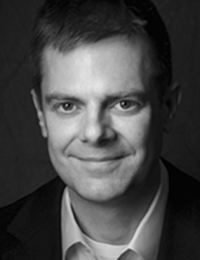
Dr. McNally

Elizabeth McNally, MD, PhD, has been elected as the 2022-2027 Editor-in-Chief of the Journal of Clinical Investigation (JCI). She will succeed Rexford Ahima, MD, PhD, who has served as the journal’s Editor-in-Chief since July 2018. Dr. McNally’s term begins March 1, 2022.

Dr. McNally is the Director for the Center for Genetic Medicine at the Northwestern University Feinberg School of Medicine. Dr. McNally studies inherited disorders that affect cardiac and skeletal muscle function. Her efforts have elucidated membrane-associated defects that disturb cellular integrity and repair mechanisms leading to the identification of therapeutic targets. Dr. McNally was elected to the ASCI in 2003 and served as President, 2011-2012. She was elected to the Association of American Physicians in 2006 and is serving as the 2021-2022 President. She was elected to the American Academy of Arts and Sciences and the National Academy of Medicine in 2021.

“The JCI publishes a broad range of molecular medicine, including new therapeutic mechanisms,” Dr. McNally said. “We have a tremendous depth of expertise here at Feinberg, and we will be drawing on our outstanding scientists to guide the Journal over these next 5 years. It’s really an honor for us at Northwestern and speaks to the growth we’ve had as a medical school.”

“I was honored to serve as Chair of the Editor Selection Committee, which devoted itself to selecting the best candidate to succeed Dr. Ahima and a long list of esteemed Editors-in-Chief,” said Sohail Tavazoie, MD, PhD, the ASCI’s 2021-2022 President-Elect. “I was particularly proud to be a part of the outstanding group who selected Dr. McNally, who will become the first woman to serve as the Editor-in-Chief of JCI.”

Dr. McNally’s Editorial Board will include Deputy Editors Hossein Ardehali, MD, PhD (elected to ASCI in 2012); Daniel Brat, MD, PhD (2014); Alfred George, Jr., MD (1998); Maha Hussain, MD; and Susan Quaggin, MD (2006). The following will serve as Associate Editors: Sarki Abdulkadir, MD, PhD (2017); Marisa-Luisa Alegre, MD, PhD (2006); Rishi Arora, MD (2020); Joe Bass, MD, PhD; Ankit Bharat, MBBS (2019); GR Scott Budinger, MD (2014); Serdar Bulun, MD (2003); Navdeep Chandel, PhD; Eugene Chang, MD (1992); Jaehyuk Choi, MD, PhD (2021); Richard D’Aquila, MD; Stephanie Eisenbarth, MD, PhD (2020); Amy Heimberger, MD, PhD (2011); Luisa Iruela-Arispe, PhD; Peng Ji, PhD; Igor Koralnik, MD (2008); Maciej Lesniak, MD (2018); Hidayatullah Munshi, MD (2012); Marcelo Nobrega, MD, PhD (2015); Guillermo Oliver, PhD; Puneet Opal, MD, PhD (2013); John Pandolfino, MD (2018); Sachin Patel, MD, PhD (2018); Laura Rasmussen-Torvik, PhD; Patrick Seed, MD, PhD; and Ali Shilatifard, PhD.

The ASCI thanks the members of the Editor Selection Committee for their service: Dr. Tavazoie, Chair (The Rockefeller University), Rexford S. Ahima, MD, PhD (Johns Hopkins University School of Medicine), Kathleen L. Collins, MD, PhD (University of Michigan Medical School), Benjamin D. Humphreys, MD, PhD (Washington University School of Medicine in St. Louis), Priscilla Hsue, MD (University of California, San Francisco, School of Medicine), Martin G. Myers, Jr., MD, PhD (University of Michigan Medical School), M. Bishr Omary, MD, PhD (Rutgers, Robert Wood Johnson Medical School), and Robert H. Vonderheide, MD, DPhil (University of Pennsylvania Perelman School of Medicine).

In November, the ASCI’s Active members were asked to vote on the recommendation of Dr. McNally as the 2022-2027 Editor in Chief. Following the bylaw’s Ballot Review Committee section, the results of the vote were received, reviewed, and verified by Priscilla Hsue (2021-2023 ASCI Secretary-Treasurer) and two Active members identified by random selection from ballots submitted and who agreed to audit the results. The ASCI thanks Ekihiro Seki, MD, PhD, and Jeremy Veenstra-VanderWeele, MD, for their service as auditors.