
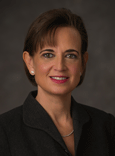
The 2013 Stanley J. Korsmeyer Award: Bruce Beutler, MD

Bruce Beutler

Photo credit: Brian Coats for UT Southwestern Medical Center.

Bruce Beutler, MD, director of the Center for the Genetics of Host Defense at UT Southwestern Medical Center, Dallas, Texas, is the recipient of the 2013 American Society for Clinical Investigation’s Stanley J. Korsmeyer Award, in recognition of his contributions to the field of innate immunity. Dr. Beutler was the first to isolate mouse tumor necrosis factor (TNF), and he established that TNF acts as a key executor of the inflammatory response. He designed a recombinant inhibitor of TNF, which as etanercept became widely used in clinical practice for the treatment of inflammatory diseases such as rheumatoid arthritis and Crohn’s disease.

Between 1993 and 1998, he used a classical genetic approach to identify the mammalian lipopolysaccharide (LPS) receptor. While at UT Southwestern in 1986, his laboratory discovered the LPS receptor and with it the function of the mammalian Toll-like receptors (TLRs). This 10-member protein family functions in the sensing of infection and when overactive leads to illnesses such as septic shock and systemic lupus erythematosus. For this discovery, he shared the 2011 Nobel Prize in Physiology or Medicine.

The 2013 Stanley J. Korsmeyer Award recognizes Dr. Beutler’s continued leadership and scientific contributions since his seminal work on TLRs. Moving to the Scripps Research Institute in 2000, he developed an innovative mouse mutagenesis program and applied a forward genetic approach to decipher the signaling pathways activated by TLRs. His laboratory then used this screen to identify many other molecules with non-redundant function in the immune response. Notable among these were TRIF (the adaptor protein responsible for MyD88-independent TLR signaling) and Unc93b1, a protein needed for signaling by all the nucleic acid sensing TLRs, mutations of which are implicated in recurrent herpes simplex encephalitis in human patients. His many trainees have gone on to successful independent positions and, like their mentor, focus on immunological questions in the most rigorous fashion.

Elected to the ASCI in 1990, Dr. Beutler is a recipient of numerous honors, including membership in the National Academy of Sciences. He received his undergraduate degree from the University of California, San Diego, in 1976 and his medical degree from the University of Chicago in 1981. After medical school, he completed residency at UT Southwestern Medical Center in Dallas, studying internal medicine and neurology. He was a postdoctoral fellow and an assistant professor at the Rockefeller University (1983-1986) before returning to UT Southwestern in 1986.

Beginning in 2000, he moved his laboratory to the Scripps Research Institute, where he served as the chair of the Department of Genetics. Dr. Beutler returned to UT Southwestern in 2011 to direct the Center for the Genetics of Host Defense. He holds the Raymond and Ellen Willie Distinguished Chair in Cancer Research in honor of Laverne and Raymond Willie, Sr.

Related

Bruce Beutler wins the 2013 ASCI/Stanley J. Korsmeyer Award in the Journal of Clinical Investigation

The 2012 Stanley J. Korsmeyer Award: William G. Kaelin, Jr., MD, and Gregg L. Semenza, MD, PhD

William G. Kaelin, Jr., MD, and Gregg L. Semenza, MD, PhD, are the recipients of the 2012 American Society for Clinical Investigation’s Stanley J. Korsmeyer Award, in recognition of their contributions to the molecular understanding of cellular oxygen sensing and cellular adaptation to hypoxia. As a corollary, their work has defined how this sensing mechanism goes awry in broad spectrum of disorders ranging from the vascular overgrowth associated with many forms of cancer to the reduced vascular density associated with ischemic disease. The Korsmeyer Award also recognizes their successes in mentoring future physician-scientists and researchers. As recipients Drs. Kaelin and Semenza will share the $10,000 honorarium and present the Korsmeyer Lecture at the 2012 ASCI/AAP Meeting, April 27-29, in Chicago, Illinois.

Dr. Semenza, a pediatrician and geneticist, discovered and characterized HIF-1α, opening the field of oxygen biology for molecular analysis. In 1995 Dr. Semenza purified and isolated the gene encoding HIF-1α and has since discovered major roles for HIFs in organismal development and cellular homeostasis. His work showed that HIFs serve as master regulators of the cellular oxygen response by inducing the expression of the genes whose products mediate adaptive responses to changes in oxygen levels. Since then, Dr. Semenza’s laboratory has been at the forefront of translational studies of HIF gene therapy for ischemic cardiovascular diseases, wound healing, and organ transplantation; and HIF inhibitors for cancer, ocular neovascularization and pulmonary hypertension.

In highly complementary work, Dr. Kaelin as an observant medical oncologist provided a molecular explanation for the hypervascularity of the kidney and brain tumors seen in patients with germline mutations in the von Hippel Lindau (VHL) gene. He showed that VHL-deficient tumor cells produce high levels of hypoxia-inducible gene products, including VEGF, irrespective of oxygen levels. This work led to a series of key discoveries into how cells sense and respond to changes in oxygen levels. One of the most significant discoveries was that the VHL protein interacts with HIF in an oxygen-sensitive manner and suppresses tumor formation by targeting HIF for degradation. When a defective VHL-HIF interaction exists due to mutations in VHL, there are increased HIF levels that promote vascular tumor formation. Dr. Kaelin’s laboratory also discovered that oxygen-dependent proline hydroxylation of HIFs by a prolyl hydroxylase (PHD2) regulates its ubiquitination by VHL and subsequent degradation. The functional link between these components of the oxygen-sensing network is reflected by the fact that mutations in the genes encoding all three components (PHD2, VHL, or HIF) lead to hereditary polycythemia. The insights gained from defining the VHL-HIF interaction created a conceptual basis for the successful clinical testing of VEGF inhibitors for metastatic kidney cancer.

Drs. Semenza and Kaelin were elected to the ASCI in 1995 and 1997, respectively, and are the recipients of numerous honors, including membership in the National Academy of Sciences. Dr. Kaelin obtained his undergraduate (mathematics and chemistry) and M.D. degrees from Duke University. He completed training in Internal Medicine at the Johns Hopkins Hospital and was a clinical fellow in Medical Oncology at the Dana-Farber Cancer Institute. Dr. Kaelin is currently Professor in the Department of Medicine at the Dana-Farber Cancer Institute and at the Brigham and Women’s Hospital, Harvard Medical School. Dr. Semenza received his undergraduate degree (biology) from Harvard College, and M.D. and Ph.D. degrees from the University of Pennsylvania. He completed training in Pediatrics at Duke University Medical Center and postdoctoral training in Medical Genetics at The Johns Hopkins University School of Medicine, where he is currently the C. Michael Armstrong Professor of Pediatrics, Medicine, Oncology, Radiation Oncology, Biological Chemistry, and Genetic Medicine.

Related

William G. Kaelin Jr. and Gregg L. Semenza receive the 2012 ASCI/Stanley J. Korsmeyer Award in the Journal of Clinical Investigation

The 2011 Stanley J. Korsmeyer Award: Brian J. Druker, MD, and Charles L. Sawyers, MD

Brian J. Druker, MD, and Charles L. Sawyers, MD, are the 2011 recipients of the American Society for Clinical Investigation’s Stanley J. Korsmeyer Award, in recognition of their contributions to the development of novel therapeutics in the treatment of leukemia and other forms of cancer. Their work, collaboratively and as individuals, has revolutionized the treatment of cancer, providing an inspiring model for the transformation of clinical medicine through rigorous molecular science.

Drs. Druker and Sawyers will share the $10,000 Award honorarium and present the Korsmeyer Award Lecture at the 2011 ASCI/AAP Meeting (April 15-17, in Chicago, Illinois). This is the first time that the Award has been shared.

The breakthrough development of tyrosine kinase inhibitors to arrest chronic-phase chronic myeloid leukemia (CML) is a case study in the successful progress of basic research to the clinic. The discovery, in the early 1960s, of a chromosomal abnormality (known as the Philadelphia chromosome) in a majority of CML patients presented a potential treatment target — the abnormality produced an active tyrosine kinase that fed cancer growth. However, the standard treatment remained chemotherapy, with its attendant toxic effects.

In the mid 1980s, Dr. Druker began his lab work investigating the genetic abnormalities that drive cancer. Among his early successes was developing a laboratory reagent to help identify drugs that inhibit cancer cell growth. As an extension of that work, in 1993 he began collaborating with a pharmaceutical company to test compounds that could stop CML cells from growing without harming normal cells. Of the compounds he tested, Dr. Druker identified imatinib, a tyrosine kinase inhibitor, as the most effective. After extensive laboratory studies, Dr. Druker was able to move the drug into clinical trials in 1998.

Working with industry, Drs. Druker and Sawyers in 1998 began clinical trials of imatinib, demonstrating in populations of chronic-phase CML patients such impressive results — restoration of white blood cell counts to near normal and with only minimal side effects — that the Food and Drug Administration approved the drug in 2001, in just under three years.

It became clear in the course of the trials that problems remained for some CML patients, who developed resistance to imatinib, leading to relapse and acceleration of the disease. In 2001, Dr. Sawyers and his lab identified an assortment of mutations that caused resistance to imatinib and, working with structural biologist John Kuriyan, recognized that other kinase inhibitors could block growth of the resistant tumor cells. These findings led to the development and FDA-approved use of other tyrosine kinase inhibitors in patients with resistant CML. Imatinib is now approved for use in other diseases such as gastrointestinal stromal tumor (GIST), and several other kinase inhibitors have been developed to target other cancers following similar molecular principles.

Dr. Druker is the director of the Oregon Health & Science University Knight Cancer Institute, associate dean for oncology in the OHSU School of Medicine, adjunct professor in the Department of Pediatrics: Division of Hematology and Oncology, JELD-WEN Chair of Leukemia Research at OHSU, and a Howard Hughes Medical Institute investigator. He was elected to the American Society for Clinical Investigation in 1997.

Dr. Sawyers is an investigator of the Howard Hughes Medical Institute at Memorial Sloan-Kettering Cancer Center, where he is director of the Human Oncology and Pathogenesis Program and holds the Marie-Josée and Henry R. Kravis Chair. He is a member of the National Academy of Sciences and the Institute of Medicine of the National Academies. He was elected to the American Society for Clinical Investigation in 1999.

Drs. Druker and Sawyers shared the 2009 Lasker-DeBakey Clinical Medical Research Award with Nicholas B. Lydon.

Related

Brian Druker and Charles Sawyers receive the 2011 ASCI/Stanley J. Korsmeyer Award in the Journal of Clinical Investigation

The 2010 Stanley J. Korsmeyer Award: Andrew R. Marks, MD

Andrew R. Marks, MD, is the 2010 recipient of the American Society for Clinical Investigation’s Stanley J. Korsmeyer Award, in recognition of his discoveries that rapamycin inhibits coronary artery stent restenosis, and the role of leaky ryanodine receptor/calcium release channels in heart failure, cardiac arrhythmias and muscular dystrophy.

Dr. Marks’ research has contributed significantly to the development of the first drug-eluting coronary stent, currently used in most angioplasties to treat coronary artery disease.

Dr. Marks also defined the ryanodine receptor/calcium release channel macromolecular signaling complex and showed that post-translational modification of the ryanodine receptors results in defective channels that leak intracellular calcium, causing heart failure progression, fatal cardiac arrhythmias, and impaired exercise capacity, notably in muscular dystrophy. He further developed a novel class of small molecules (rycals) that specifically fix the leak in ryanodine receptor channels, prevent heart failure progression, and arrhythmias and improve exercise capacity in animal models. One of his drugs, a rycal, is now in clinical trials for heart failure and cardiac arrhythmias.

Dr. Marks grew up in Manhattan, the son of Dr. Paul Marks, longtime dean of Columbia University Medical Center and President of Memorial Sloan-Kettering Cancer Center. Dr. Marks was the first student ever to graduate from Amherst College with honors in two subjects — English and Biology. He earned his medical degree from Harvard and went on to train in internal medicine and in cardiology at Massachusetts General Hospital. He was a postdoctoral fellow in molecular biology at Harvard Medical School, a faculty member in cardiology at the Brigham and Women’s Hospital, and the Mount Sinai School of Medicine. In 1997, he joined the faculty of Columbia University College of Physicians & Surgeons as Director of the Center for Molecular Cardiology and the Clyde and Helen Wu Professor of Medicine and Pharmacology.

In 2001 he founded what is now SPURS, Columbia’s Summer Program for Underrepresented Students, to “play a pivotal role in advancing education for underrepresented and economically disadvantaged students” and “create diversity of representation among the future ranks of doctors and investigative scientists.” In 2002, in response to a proposed cultural and academic boycott of Israel by European and American professors, Dr. Marks founded the International Academic Friends of Israel to support that nation’s academic freedom and inclusion. “The open exchange of ideas is fundamental to biomedical research and the advancement of learning and fighting human diseases,” he has said.

Dr. Marks was named chair of Columbia’s Department of Physiology and Cellular Biophysics in 2003. Dr. Marks also served as editor-in-chief of The Journal of Clinical Investigation from 2002-2007, and was a member of the ASCI Council from 1997-2000. His honors include the Distinguished Clinical Scientist Award of the Doris Duke Charitable Foundation, membership in the Institute of Medicine and the National Academy of Sciences, fellowship in the American Academy of Arts and Sciences and the Basic Research Prize from the American Heart Association, and in 2009 he received the Doctor of Science, Honoris causa, from Amherst College.

Related

The 2010 ASCI/Stanley J. Korsmeyer Award A heart-to-heart with Andrew R. Marks in the Journal of Clinical Investigation

The 2009 Stanley J. Korsmeyer Award: Mitchell A. Lazar, MD, PhD

Mitchell A. Lazar, MD, PhD, is the 2009 recipient of the American Society for Clinical Investigation’s Stanley J. Korsmeyer Award, in recognition of his outstanding contributions to our understanding of the transcriptional regulation of metabolism. Dr. Lazar’s discoveries of several thyroid hormone and orphan nuclear receptors and their gene expression silencing mechanisms have been transformative. His cloning of Rev-erbα led him to a series of seminal discoveries on the mechanism of nuclear receptor-mediated repression. These include the regulation of Rev-erbα by heme ligand and lithium destabilization, the composition of core nuclear receptor corepressor-histone deacetylase complexes, the corepressor “CoRNR” nuclear receptor interaction motif, and the activation of histone deacetylase function by corepressor binding. Dr. Lazar’s recent discovery that the corepressor-deacetylase interaction epigenetically governs metabolism and circadian rhythm proves the physiological importance of the corepressor paradigm. Dr. Lazar has also made pioneering contributions to the linkage of the nuclear receptor PPARγ to adipocyte differentiation, insulin resistance, and type 2 diabetes. In addition, his discovery of resistin as a novel adipocyte hormone that impairs insulin action created a new view of the connection between obesity and insulin resistance.

Dr. Lazar is currently the Sylvan Eisman Professor of Medicine and Genetics at the University of Pennsylvania School of Medicine. He is also Chief of the University of Pennsylvania’s Division of Endocrinology, Diabetes and Metabolism and Director of the Institute for Diabetes, Obesity, and Metabolism. He received his undergraduate degree in chemistry from the Massachusetts Institute of Technology, where he did research on peroxide chemistry in the lab of Prof. Frederick Greene and in photochemistry in the lab of Prof. Nicholas Turro in a summer program at Columbia University. He then went to Stanford Medical School, where he worked on the enzymology of tyrosine hydroxylase in the lab of Prof. Jack Barchas, leading to a Ph.D. in Neuroscience in addition to an M.D. He did an internship and residency in Internal Medicine at Brigham and Women’s Hospital, followed by an endocrinology fellowship at the Massachusetts General Hospital, where he worked on parathyroid hormone secretion in the lab of Prof. Hank Kronenberg. His work on nuclear receptors began with his cloning of novel thyroid and orphan receptors as a post-doctoral fellow in the lab of Prof. Bill Chin at Brigham and Women’s Hospital.

Since joining the faculty at the University of Pennsylvania, Dr. Lazar has been an outstanding mentor whose trainees have advanced to successful careers in academia and industry. He has received numerous honors, including the Van Meter Award of the American Thyroid Association, the Outstanding Investigator Award of the American Federation for Medical Research, the BMS Freedom to Discover Award, and the Richard Weitzman Award and the Edwin B. Astwood Award Lecture from The Endocrine Society. In addition, he received two NIH MERIT awards and is currently a member of the Board of Scientific Councilors of the National Institutes of Diabetes, Digestive, and Kidney Diseases. Dr. Lazar has also been elected to the American Society for Clinical Investigation and its Council, the Association of American Physicians, the Institute of Medicine of the National Academy of Sciences, and the American Academy of Arts and Sciences.

Related

The 2009 ASCI/Stanley J. Korsmeyer Award Chewing the fat with Mitchell A. Lazar in the Journal of Clinical Investigation

The 2008 Stanley J. Korsmeyer Award: Gerald I. Shulman, MD, PhD

Gerald I. Shulman, MD, PhD, is the 2008 recipient of the Stanley J. Korsmeyer Award, in recognition of his outstanding contributions in the fields of insulin resistance and type 2 diabetes mellitus (T2DM). Dr. Shulman has pioneered the use of magnetic resonance spectroscopy (MRS) to non-invasively examine intracellular glucose and fat metabolism in humans. This has afforded a dynamic view of intracellular metabolism in humans, not before possible, that has led to several fundamental discoveries in our understanding of the regulation of liver and muscle glucose metabolism in humans and its dysregulation in patients with T2DM. His group developed MRS methods to directly quantify rates of hepatic glycogenolysis and gluconeogenesis in humans and made the paradigm shifting observation that gluconeogenesis and glycogenolysis make similar contributions to glucose production following an overnight fast. His group then demonstrated that increased hepatic gluconeogenesis is responsible for fasting hyperglycemia in patients with T2DM and that hepatic insulin resistance and increased hepatic gluconeogenesis were associated with non alcoholic fatty liver disease in patients with poorly controlled T2DM and were reversible with modest weight reduction. His group also developed MRS methods to directly quantify rates of muscle glycogen synthesis and demonstrated that decreased insulin stimulated muscle glycogen synthesis is the major factor responsible for insulin resistance in T2DM. In a seminal series of studies his group then developed MRS methods to measure intramyocellular concentrations of glucose-6-phosphate and glucose in humans and identified glucose transport as the rate-controlling step in this process. His group went on to show that this defect in insulin stimulated glucose transport is associated with increased intramyocellular lipid content and reversible with exercise. He then went on to elucidate the mechanism for fat-induced insulin resistance in both skeletal muscle and liver where net accumulation of intracellular diacylglycerol, due to increased fatty acid delivery/synthesis and/or decreased mitochondrial/peroxisomal fatty acid oxidation, activates novel PKCs that lead to deceased insulin signaling and insulin action in these tissues. This unifying hypothesis explains insulin resistance in both obesity and lipodystrophy as well as the insulin-sensitizing effects of thiazolidinediones, exercise, leptin, omega fatty acids, mitochondrial-uncoupling agents, adiponectin, and acetyl CoA carboxylase inhibitors. It has also led to the identification of several novel targets for the treatment and prevention of type 2 diabetes.

Dr. Shulman is currently Professor of Internal Medicine and Cellular & Molecular Physiology at Yale University School of Medicine as well as an Investigator of the Howard Hughes Medical Institute. He is also Associate Director of the Yale Diabetes-Endocrinology Research Center and Associate Director of the Yale Medical Scientist Training Program. Dr. Shulman completed his undergraduate studies in biophysics at the University of Michigan, and he received his M.D. and Ph.D. degrees from Wayne State University. Following internship and residency at Duke University Medical Center, he did an endocrinology fellowship at the Massachusetts General Hospital and additional postdoctoral work in molecular biophysics and biochemistry at Yale before joining the faculty at Harvard Medical School. He was subsequently recruited back to Yale and has remained there ever since. His work has been recognized with numerous honors and awards including the Outstanding Investigator Award from the American Federation for Clinical Research, the Diabetes Care Research Award from the Juvenile Diabetes Research Foundation, the Novartis Award in Diabetes, the Outstanding Scientific Achievement Award and the Distinguished Clinical Scientist Award from the American Diabetes Association. Dr. Shulman has been elected to the Institute of Medicine and the National Academy of Sciences. In addition to his research accomplishments, Dr. Shulman has mentored over seventy postdoctoral fellows and students, and 27 of these trainees have gone on to professorships at Yale and other institutions.

Related

Gerald Shulman digests his award in the Journal of Clinical Investigation

The 2006 Stanley J. Korsmeyer Award: Shaun R. Coughlin, MD, PhD

Shaun R. Coughlin, MD, PhD, was the 2006 recipient of the Stanley J. Korsmeyer Award, in recognition of outstanding contributions in the field of signal transduction via thrombin receptors.

Dr. Coughlin received his undergraduate and graduate training from M.I.T. and his M.D. from Harvard Medical School. After internship and residency in internal medicine at Massachusetts General Hospital, he moved to the University of California, San Francisco, for cardiology and postdoctoral fellowships and joined the faculty there in 1986. He is currently Professor of Medicine, Professor of Cellular and Molecular Pharmacology, and Director of the Cardiovascular Research Institute.

Dr. Coughlin’s laboratory has made important contributions to the understanding of how thrombin and related proteases regulate the behavior of platelets and other cells. Thrombin, a protease that is generated when blood vessels are damaged, instructs blood cells called platelets to stick together. Platelet aggregates help stop blood loss after wounding, but they also block diseased blood vessels to cause heart attacks and strokes. In 1991, the Coughlin laboratory’s landmark discovery of a thrombin receptor, now known as protease-activated receptor-1, provided the first real understanding of the molecular process by which thrombin, a protease, can regulate the behavior of platelets and other cells like hormones do. The laboratory’s characterization of PAR1 and its subsequent discoveries of other members of the PAR family have led to a greater understanding of how platelets and other cells sense and respond to tissue injury as well as insights into the development of blood vessels and the control of inflammatory signals. These findings have implications for the development of novel therapies against thrombotic diseases, including heart attack and stroke.

The 2005 ASCI Award: Francis S. Collins, MD, PhD

Francis S. Collins, MD, PhD, received the 2005 ASCI Award for his pioneering efforts in the development of the entire field of human genome research. The identification in 1989 of the gene responsible for cystic fibrosis by Dr. Collins and his colleagues was the first successful application of positional cloning to a human disease, without the aid of chromosomal rearrangements or deletions. His laboratory was also responsible for the positional cloning of the Neurofibromatosis type 1 gene in 1990, followed by a number of other key human disease gene discoveries, including identification of the CBFbeta/myosin heavy chain fusion in inv16 AML and positional cloning of the genes for Huntington Disease, Ataxia Telangiectasia, MEN1, Alagille Syndrome, and, most recently, the gene responsible for Progeria. His laboratory has also provided critical insights into molecular pathophysiology for a number of these genetic diseases, most notably for Cystic Fibrosis, NF1, and MEN1. Dr. Collins’ most recent research efforts have focused on the complex genetics of type 2 diabetes. In addition to these extraordinary individual laboratory contributions, Dr. Collins has been the leader of the human genome project for the past decade, culminating recently in the completion of the human and mouse genome sequences. He is uniformly recognized in scientific and public-policy forums as the major spokesman for the entire field of genomic research.

The 2004 ASCI Award: David Ginsburg, MD

David Ginsburg, MD, received the 2004 ASCI Award in recognition of his contributions to the understanding of the molecular basis of physiologic and pathologic thrombosis and hemostasis, and for his education and mentorship of future researchers and clinicians.

Early in his career, Dr. Ginsburg cloned the von Willebrand factor gene and began to define the molecular genetic basis for von Willebrand disease, the most common inherited bleeding disorder in humans. Studies of von Willebrand factor variation led to the identification of a genetic alteration in glycosyltransferase function in the mouse, one of the few successful definitions of a genetic modifier, with potentially broad implications for a variety of human disorders. The Ginsburg laboratory also cloned and characterized the gene for plasminogen activator-inhibitor (PAI-1) and defined a number of critical functional domains within the corresponding protein. Analyses of PAI-1 deficiency in disease models have defined important roles for this molecule in a number of disease processes, including the progression of atherosclerosis.

Most recently the Ginsburg laboratory has discovered mutations in the LMAN1 and MCFD2 genes as the cause of the human bleeding disorder combined deficiency of coagulation factors V and VIII, uncovering a novel pathway for the transport of selected proteins from the ER to Golgi. The lab also recently identified a novel member of the ADAMTS gene family that cause human thrombotic thrombocytopenic purpura, an enigmatic coagulopathy associated with considerable morbidity and mortality.

Dr. Ginsburg is currently James V. Neel Distinguished University Professor of Internal Medicine and Human Genetics and a Research Professor with the Life Sciences Institute at the University of Michigan, as well as an investigator of the Howard Hughes Medical Institute. He received his B.A. from Yale University in Molecular Biophysics and Biochemistry, and his M.D. (in 1977) from Duke University Medical School.